


By using our website, you agree to the use of cookies as described in our Cookie Policy
Blog
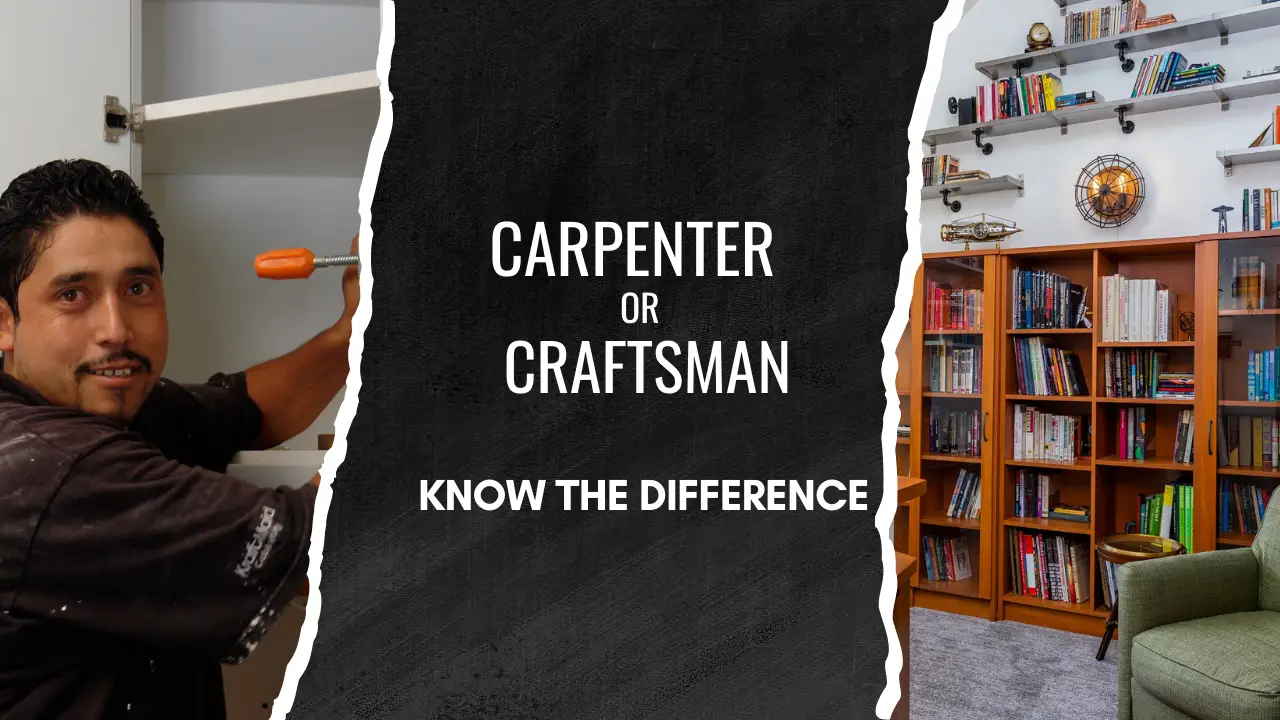
Carpenter or Craftsman? Know the Difference Before You Hire
Remodeling Tips · Behind the Scenes
Craftsman or Generalist? What It Actually Means for Your Remodel
A few years back, we walked into a Rossmoor home to bid a kitchen remodel. The homeowner had already had three other contractors through. One had done the demo himself, another had patched some drywall, and a third had started roughing in the plumbing — then disappeared. Every one of them had called himself a "full-service remodeling contractor." What we found was a kitchen that was worse off than when they'd started.
That's what happens when "full-service" means "I'll give it a shot."
There's a real difference between someone who can do a lot of things passably and someone who has spent years — sometimes a career — becoming genuinely good at their specific trade. And when it's your home on the line, that difference matters more than most people realize until it's too late.
The Shortage Nobody Talks About
Here's something that doesn't get discussed enough in home improvement circles: the construction industry has a genuine craftsman shortage. Not a contractor shortage — there's no shortage of people willing to take your money and swing a hammer. What's scarce are tradespeople who have put in the time to become truly skilled at their craft.
A journeyman — that's the formal term for a tradesperson who has completed an apprenticeship and is fully qualified in their trade — takes years to develop. Electricians, plumbers, tile setters, finish carpenters: each of these is a real discipline, with real techniques that only come from time on the job and proper mentorship. You can't shortcut that with a YouTube tutorial.
Trade Term Explained
Journeyman: A worker who has completed a formal apprenticeship in a specific trade — typically 3–5 years of on-the-job training under a licensed professional. Journeymen hold certifications from their trade union or licensing board. In California, licensed journeymen are regulated by the state. It's not just a title; it means someone has proven their skills to an independent authority.
What fills the gap when there aren't enough journeymen? Generalists. Workers who have a little experience in a lot of areas — enough to muddle through, not enough to excel. And contractors who rely heavily on generalists often don't advertise that. They just call it "full service."
"We've been called 'old school' before. We take it as a compliment. What that really means is we believe in the apprenticeship model — learning a trade the right way, under someone who actually knows it."
What a Real Craftsman Looks Like On a Job
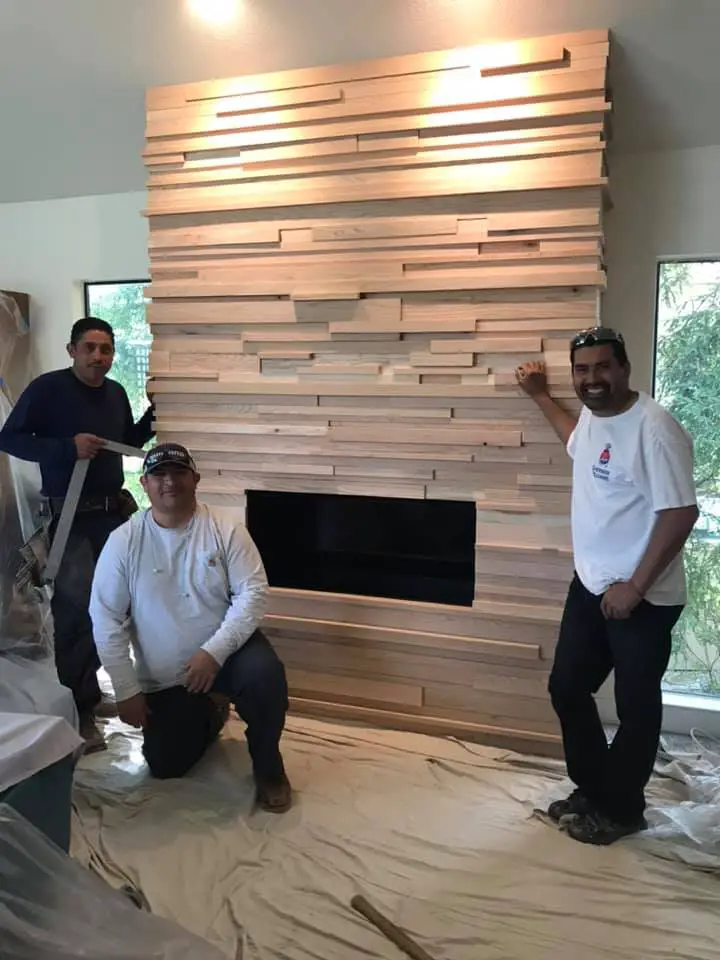
We've been doing this for over 40 years in the East Bay. In that time, we've built a crew of people who actually know their trades. Our electrician knows electrical. Our tile setter has been hand-setting tile for years. Our finish carpenters can look at a miter joint and know in two seconds whether it's going to hold beautifully or fail in eighteen months.
That knowledge shows up in places homeowners don't always see until much later. It's in how the tile substrate — the cement board or uncoupling membrane underneath the tile — is prepped before a single tile goes down. It's in how the electrical is run so that future modifications don't require tearing out walls. It's in how a finish carpenter reads the grain of the wood before making a cut.
Trade Term Explained
Substrate: The base layer that a finish material (like tile, flooring, or paint) gets applied to. Think of it as the foundation under the foundation. A bad substrate — improperly leveled, wrong material, poorly attached — will cause your beautiful finish to fail no matter how good the tile or floor itself is. This is one of the most common places corners get cut on fast, cheap remodels.
You don't see most of this work once the job is done. That's exactly the point. The craftsmanship is in what's hidden — and what stays hidden, stays solid, for decades.
The Generalist Trap
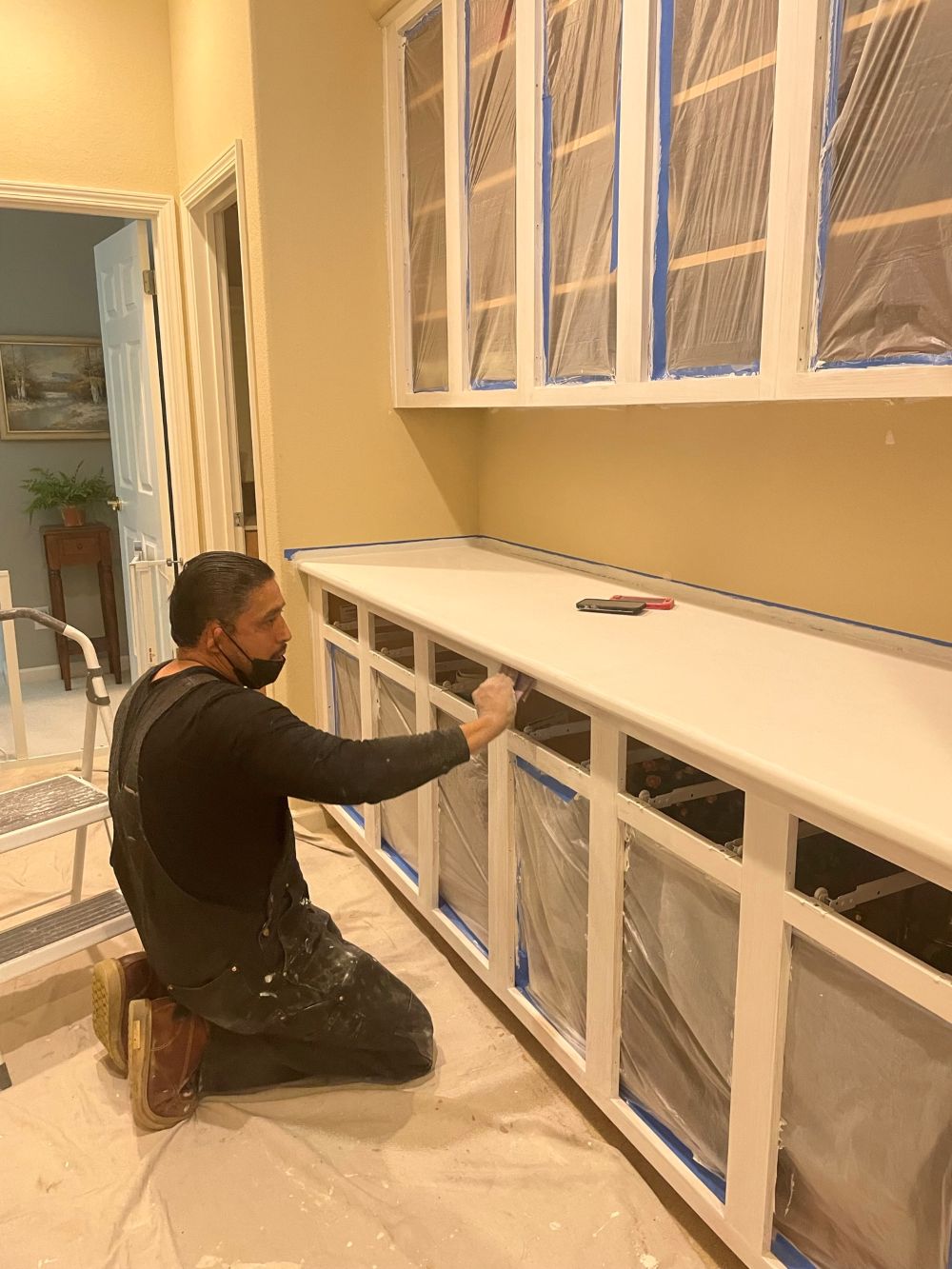
None of this is to say that someone who works across multiple trades is automatically bad at their job. We coordinate all the trades on every remodel we do — that coordination is its own skill. But there's a meaningful difference between a general contractor who manages specialized subcontractors (each one skilled in their own trade) versus someone who personally attempts every part of the job with surface-level training in all of it.
Trade Term Explained
General Contractor (GC): A licensed professional who manages the overall construction project — scheduling, coordinating subcontractors, pulling permits, and overseeing quality. In California, a GC must hold a license from the Contractors State License Board (CSLB). A good GC's value is in their ability to orchestrate skilled people effectively — not in personally doing everything themselves.
The generalist trap looks like a deal upfront. One person, one price, "I can handle it all." But when you start pulling back what "handle it all" means — and you find out it means "install the tile myself even though I've only done it a few times" — you're looking at a redo job in a few years. We see it in Walnut Creek, Alamo, and Danville homes all the time: someone saved money on a remodel in 2018 and is now spending more in 2025 to fix what went wrong.
| What to Look At | Craftsman-First Contractor | Generalist Contractor |
|---|---|---|
| Trade specialization | ✓ Dedicated tradespeople per discipline | ✗ One or two people doing everything |
| Apprenticeship / training | ✓ Journeymen trained under experienced tradespeople | ✗ On-the-job learning while working on your house |
| What's hidden in the walls | ✓ Substrate, waterproofing, framing done right | ✗ Issues often surface 2–5 years later |
| Upfront cost | Typically higher | Typically lower |
| Long-term cost | ✓ Lower — done right the first time | ✗ Higher — repairs and redos add up fast |
| Pride in the work | ✓ Tradespeople accountable to their craft | Varies widely |
How to Vet a Contractor Before You Sign Anything
We'll be honest with you: there are a lot of contractors out there, and they're not all the same. Here's what we'd actually recommend asking before you hire anyone — including us.
Questions Worth Asking Every Contractor
- Are you licensed with the CSLB? (Ask for their license number and verify it yourself at cslb.ca.gov — it takes 30 seconds)
- Do you carry general liability insurance and workers' compensation? (Workers' comp protects you if someone gets hurt on your property — it's not optional)
- Who specifically will be doing the tile work? The electrical? The carpentry? Are they your employees or subs?
- How long have your key tradespeople been doing their specific trade?
- Can I see a project similar to mine that you completed in the last two years?
- Will you pull permits for work that requires them? (If a contractor suggests skipping permits to "save money," walk away)
These aren't trick questions — any contractor worth hiring will answer them without hesitation. The ones who dodge, deflect, or get offended are telling you something important.
We've had clients tell us they felt rude asking. You're not being rude. You're spending tens of thousands of dollars on your home. Ask the questions.
Why This Matters to Us Personally
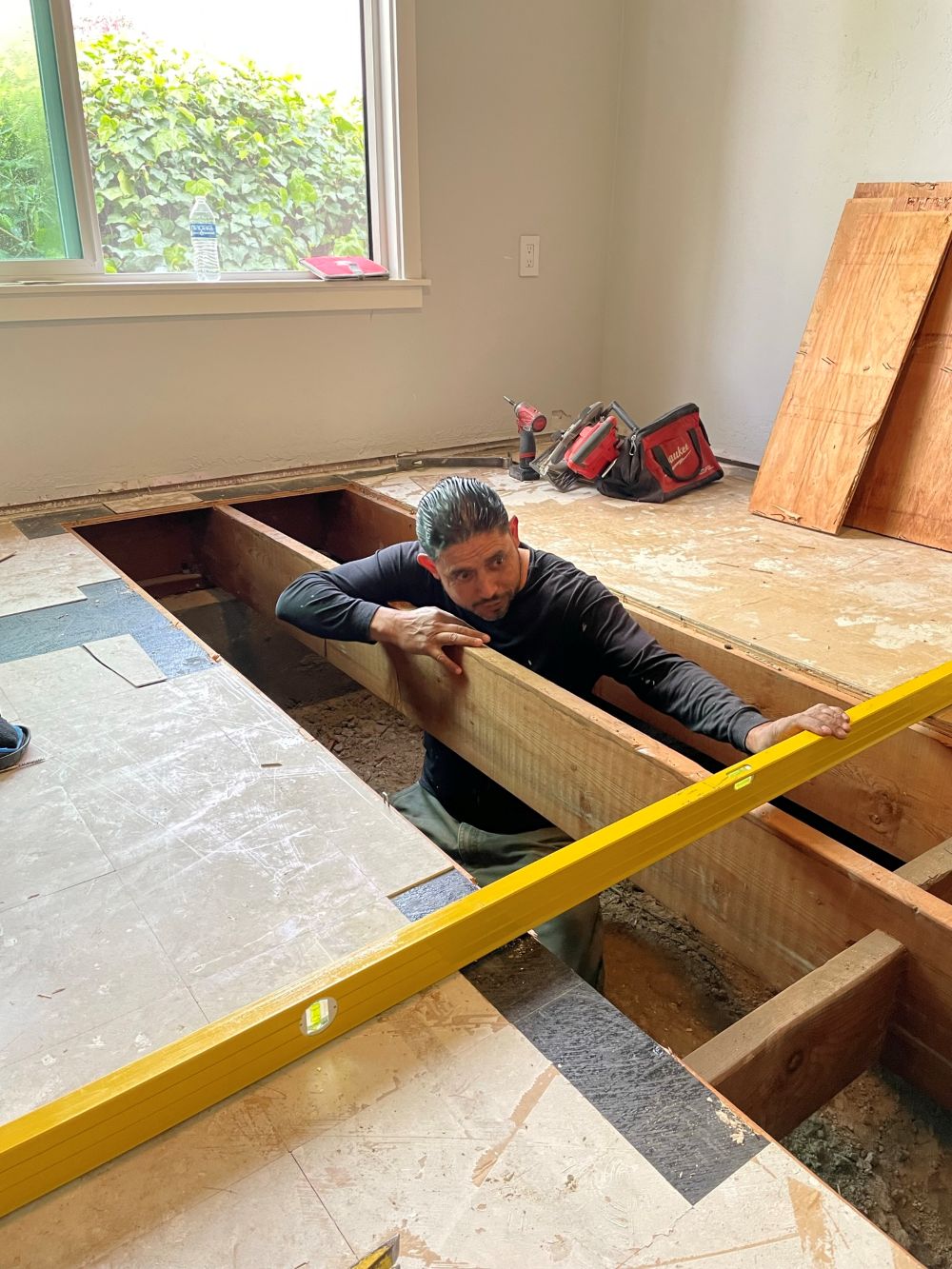
Tim didn't start Toupin Construction because he wanted to run a business. He started it because he genuinely loves building things — and more than that, he loves building them right. That feeling — when a miter joint closes perfectly, when a tile floor comes out dead level, when a client walks into their finished kitchen and can't believe it's the same room — that's what this is all about.
Over four decades, we've seen what happens when that standard slips. And we've made a deliberate choice to keep our crew small enough that we can actually stand behind every project. We're not trying to be the biggest contractor in the East Bay. We're trying to be the one you call back when you're ready for the next room.
If you want to see what that looks like in practice, our portfolio has before-and-afters from real jobs right here in Walnut Creek and the surrounding communities. And if you want to understand how we actually run a project from start to finish, our process page lays it all out.
Craftsmanship isn't a buzzword for us. It's just how we work.
Have Questions About Your Remodel?
We're always happy to talk it through — no pressure, no pitch, just an honest conversation about what's possible in your home.
Get a Free Quote Call Us: 925-937-4200
Toupin Construction
Ready to start your remodel?
Whether you're dreaming of a new kitchen, a spa-worthy bathroom, or a whole-home transformation — we’d love to hear about your project. Reach out and let's talk.
‹ Back
Comments