

By using our website, you agree to the use of cookies as described in our Cookie Policy
Blog
Mudroom Ideas for California Homes Yes, We Need Them Too
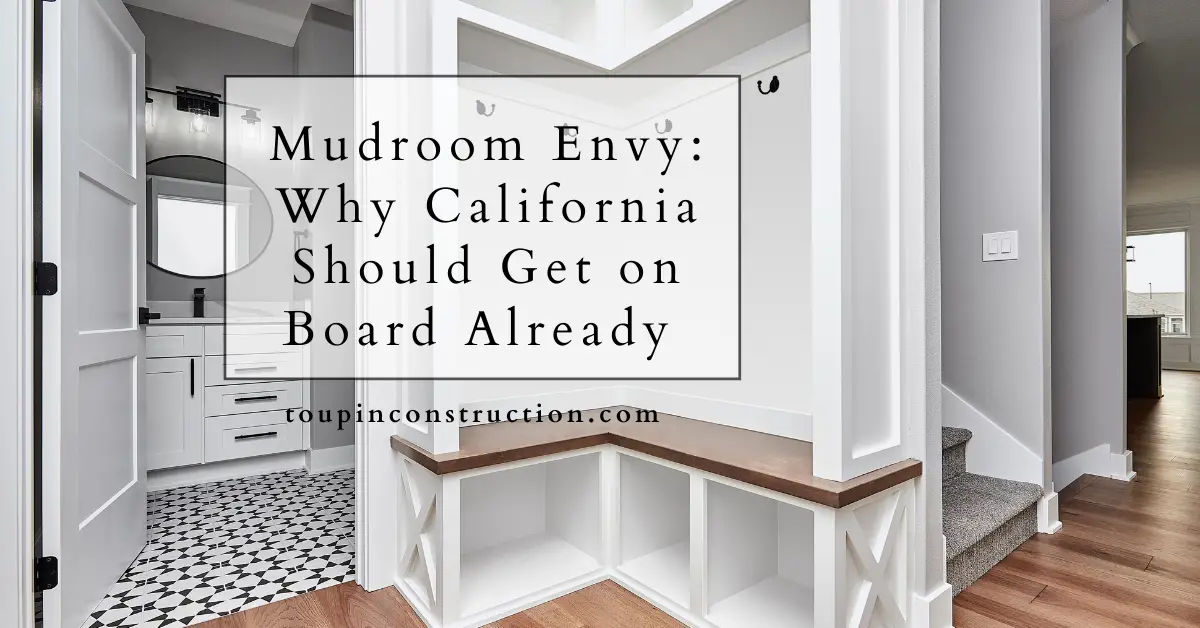
Mudroom Ideas for California Homes
Yes, We Need Them Too
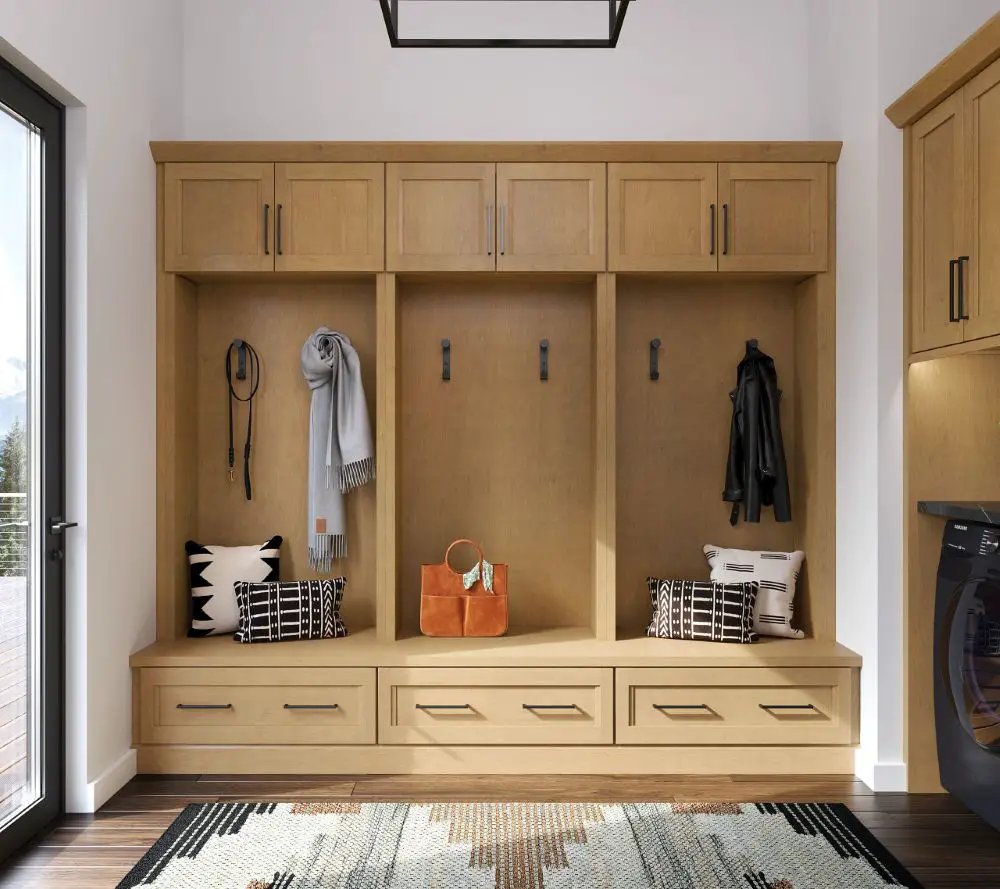
A timeless KraftMaid mudroom featuring cream-painted cabinetry with integrated bench seating, vertical paneling, and upper cubbies with hooks. Brass hardware and a warm wood floor create an elegant, functional entryway for everyday organization.
Quick Takeaways
- California homes absolutely benefit from mudrooms — beach sand, garden dirt, and soccer cleats are just as messy as Midwest snow boots.
- You don't need a big house. A 4–6 foot wall, a laundry corner, or a garage hallway can all become a functional drop zone.
- The smartest mudrooms combine bench seating, closed storage, hooks, and durable tile flooring — all of which can be built custom.
- East Bay mudroom projects range from $4,000 (basic) to $18,000+ (full custom cabinetry), and most don't require permits.
- We've built mudrooms in Walnut Creek, Lafayette, Orinda, and Rossmoor — each one tailored to how that family actually lives.
Here's something I'll freely admit: I married into a Colorado family, and every single visit involves me sneaking away from dinner conversation to go inspect the mudroom. The cubbies. The built-in bench. The dog leash hook at exactly the right height. It's embarrassing. It's also completely justified.
Because here in California, we've somehow convinced ourselves that we don't need them. We don't get snow, so who cares, right? But I'd like to respectfully point out that East Bay families are tracking in beach sand, backyard dirt, hiking mud, and soccer cleats on a weekly basis — and most of our entryways are doing absolutely nothing to stop it.
That ends today. Let's talk about mudrooms: what they are, why they work, and how we build them for homes right here in Walnut Creek, Lafayette, and Rossmoor.
What Exactly Is a Mudroom?
A mudroom is the intentional space between your front door and the rest of your house — the buffer zone where the chaos stops. It's where shoes come off, backpacks get hung, and whatever you tracked in from outside stays contained instead of spread across your kitchen floor.
It doesn't have to be a whole room. That's the biggest misconception. Some of our best mudroom projects have been 5-foot wall sections near a garage entry or a laundry room corner that got a serious upgrade. The square footage matters way less than the design.
Drop Zone — What We Mean
A "drop zone" is trade shorthand for a built-in storage system near an entry point: typically a bench, overhead cabinets or cubbies, hooks, and a shoe shelf or cubby below. The idea is that everything you carry into the house has an assigned home the moment you walk in — so it never makes it to the kitchen counter.
The magic of a well-built mudroom is that it's not just storage — it's a system. When every coat, bag, and pair of shoes has its own spot, the whole house runs a little smoother. Families tell us this regularly after we build one: "I didn't realize how much I needed this until it was here."
Why California Homes Need This More Than You Think
The Midwest has blizzards, so mudrooms make obvious sense — you've got to put your boots somewhere before you ruin the hardwood. But the idea that California doesn't need one is a myth, and I'll prove it.
East Bay families are dealing with:
- Sand from Walnut Creek parks and weekend beach trips
- Garden soil (we love our backyard gardens out here)
- Wet shoes from the rainy season — which lasts longer than we admit
- Sports cleats, helmets, and gear that has nowhere logical to go
- Dogs. California has a lot of dogs. Dogs bring a lot of stuff inside.
And in Rossmoor especially, where residents are aging in place and ease of movement matters, having a proper entry system — somewhere to sit and take shoes off, something to grab on the way in — isn't a luxury. It's genuinely useful design.
"We've never had anyone say, 'I wish we hadn't built the mudroom.' Not once."
Where to Put a Mudroom in an Existing California Home
The number one reason people don't pursue a mudroom is "we don't have space." I hear this all the time, and I respectfully disagree — because here's what we've worked with successfully:
Garage Entry Hallway
This is the most common conversion we do. The short hallway between your garage door and your kitchen? That's prime mudroom real estate. A bench on one side, hooks and cabinetry above, tile underfoot — and you've got a real entry system without touching the rest of your house.
Laundry Room Corner
If your laundry room has even a 4-foot stretch of unused wall, it can be transformed into a dual-purpose space: mudroom on one wall, laundry on the other. These are some of our most efficient projects. We've done this in Walnut Creek condos where space is genuinely tight, and the results are always worth it.
Side or Back Door Entry
The back door is often the most-used door in the house — especially for families with kids or pets — and it's almost never treated that way. A built-in bench, overhead storage, and a hook rail can transform it from "the door we try to ignore" into the most functional spot in the home.
Front Entry Wall
Even 4–6 feet of wall space near the front door can hold a floating bench, three or four hooks, and a storage cabinet above. It won't have the full built-in look, but it'll do the job and look intentional rather than improvised.
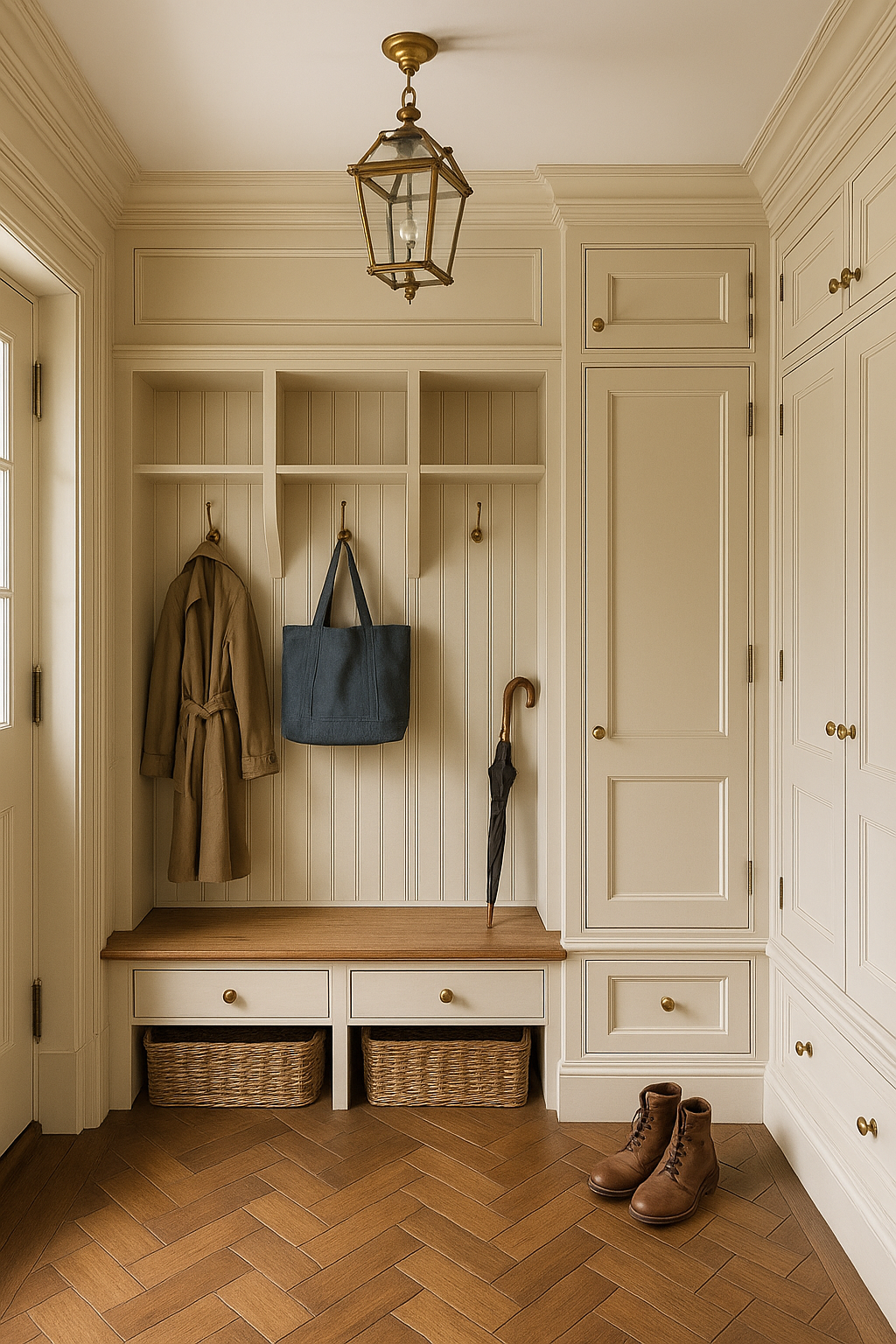
A modern KraftMaid mudroom design with light wood cabinetry, open locker-style storage, and lower drawers. Clean lines and natural finishes provide a warm, contemporary solution for organizing coats, bags, and accessories.
The Smart Design Specs (So You Know What You're Asking For)
When we design mudrooms, we work from actual ergonomic measurements — not guesswork. Here's the reference table we use as a starting point. Everything gets adjusted for your specific family, but these numbers are a solid baseline:
| Feature | Target Measurement | Why It Matters |
|---|---|---|
| Bench Height | 17–19 inches | Comfortable for adults to sit and put on shoes without strain |
| Hook Height | 60–66 inches | Standard adult reach; add a lower row at 42" for kids |
| Cubby Depth | 14–16 inches | Deep enough for backpacks, totes, and helmets |
| Boot Cubby Height | 18 inches | Clears tall rain boots and pet carriers |
| Drip Tray | 24 × 36 inches | Catches tracked-in water before it reaches your floors |
| Flooring Material | Porcelain tile or LVP | Waterproof, durable, easy to mop — East Bay weather demands it |
Drip Tray — What Is That?
A drip tray is exactly what it sounds like: a shallow removable tray — usually metal or rubberized — that sits under your shoe bench or boot cubby and catches water, mud, and tracked-in debris. Think of it as a litter box for your entryway. Pull it out, rinse it off, done. It protects your tile grout from constant moisture damage and makes cleanup stupid simple.
Marine-Grade Paint — Why We Use It Near Exterior Doors
Marine-grade paint was originally developed for boats — it's formulated to hold up against constant moisture, humidity, and temperature swings. We use it on walls and cabinets near exterior entry points because regular interior paint will start to fail quickly in those conditions. It's more expensive, but you'll be repainting a lot less often.
Built for How You Actually Live
The best mudroom isn't the most beautiful one on Pinterest. It's the one that matches how your household actually operates. We start every mudroom design conversation with the same question: "Walk me through how you come home." The answer shapes everything.
Pet Families
Leash hook at 42 inches. Hidden litter nook. Built-in dog wash station with a hand sprayer and sealed waterproof walls. Your dog thinks it's a spa.
Gardeners
A small utility sink for rinsing vegetables, muddy gloves, and garden tools. Hooks for wide-brimmed hats and aprons. A tile floor you can just hose down.
Sports Families
Ventilated cubbies so wet gear can actually dry. A wall-mounted rack for balls and helmets. Hooks low enough for kids and high enough for adults.
Aging in Place
A lower bench with grab bar support nearby. Wider entry clearance for walkers or wheelchairs. Lever-style hooks that don't require fine motor precision.
We've built custom mudrooms in Walnut Creek, Lafayette, Orinda, and Rossmoor — and the Rossmoor projects especially tend to layer in accessibility features that make the space genuinely easier to use for years to come. If you're thinking about aging-in-place design, a mudroom is a surprisingly practical place to start.
What Does a Mudroom Cost in the East Bay?
Contractor pricing in the Bay Area is higher than national averages — labor costs, material delivery, local permitting overhead. That's just reality. But mudrooms are also one of the more efficient projects we do, because they're typically contained to one area and don't require reconfiguring plumbing or structure.
East Bay Mudroom Cost Ranges
Basic Conversion
$4,000 – $8,000
Prefab bench, hook rail, tile flooring, paint. Works well for tight spaces like garage entries or laundry corners.
Custom Built-Ins
$10,000 – $18,000
Full custom cabinetry, cubbies, bench with storage below, tile, lighting, and integrated finishes. This is the version you'll stop showing to guests because you'll want it for yourself.
Timeline typically runs 1–2 weeks for basic installs, and 3–5 weeks for full custom cabinetry and tile. Most mudroom projects in California don't require a permit if you're not moving walls or adding plumbing — but we always confirm by city before we start. Rules vary between Walnut Creek, Lafayette, and other East Bay municipalities.
Want to understand how mudroom costs fit into a broader home remodel? Our post on real remodeling costs in Walnut Creek is a good place to get grounded.
Keeping It Clean (Which Is the Whole Point)
One of the reasons we spec mudrooms the way we do — tile floors, sealed cabinetry, washable surfaces — is so they're genuinely easy to maintain. The whole point is to contain mess, so the space itself needs to be mess-proof.
- Reseal grout lines annually — especially near the door threshold
- Wipe cabinet faces monthly with a damp cloth and mild cleaner
- Wash any entry rugs or runners weekly during rainy season
- Check door-frame caulking once a year; exterior gaps invite moisture
- Replace your drip tray liner seasonally if you have one
That's really it. A well-built mudroom basically maintains itself — which is the whole point of good design.
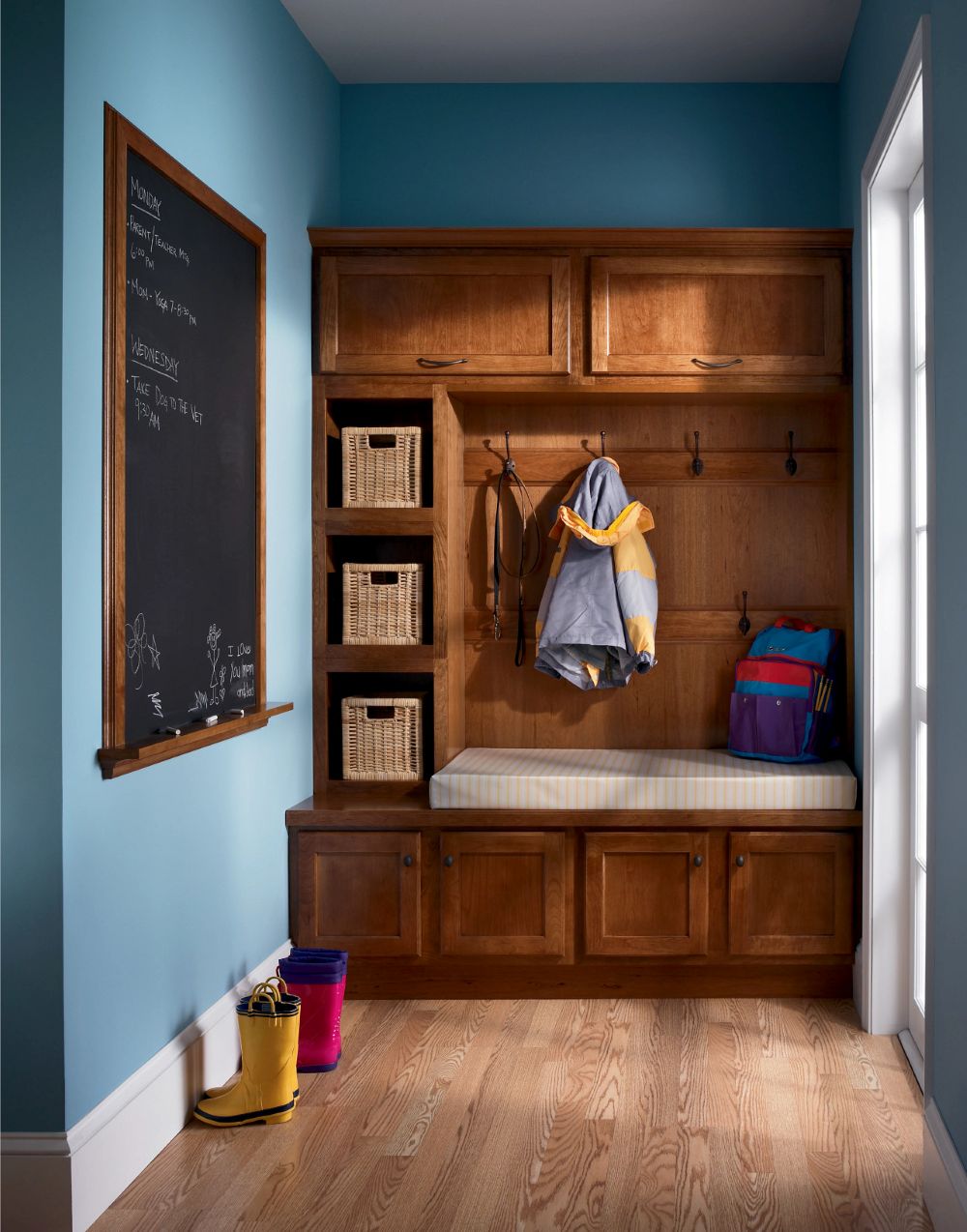
A family-friendly KraftMaid mudroom in rich wood tones featuring a built-in bench, overhead cabinets, side cubbies with baskets, and wall hooks. Designed for busy households, it combines comfort, storage, and durability.
Questions We Get All the Time
Do I need a permit to add a mudroom in Walnut Creek?
Usually not — if you're not moving walls, adding plumbing, or changing electrical beyond adding an outlet, most mudroom conversions don't require a permit. That said, permit requirements vary by city in the East Bay. We confirm before every project starts, so you're never caught off guard.
How much space do I actually need?
As little as 4–6 feet of wall space and 18–24 inches of depth. A bench, a few hooks, and an overhead cabinet can fit in that footprint. We've done it in Walnut Creek condos where every inch counts, and it still looks intentional.
What's the best flooring for a California mudroom?
Porcelain tile is our first recommendation — waterproof, extremely durable, and it comes in textures that aren't slippery when wet (important near any exterior door). Sealed natural stone works beautifully but needs more maintenance. Luxury vinyl plank (LVP) is a good budget option that's also fully waterproof. We'd steer you away from wood or laminate anywhere near an exterior entry.
Can a mudroom work in a condo or smaller home?
Yes — and honestly, smaller homes benefit the most because there's less room to absorb the chaos. We design condo mudrooms regularly, especially in Rossmoor. The key is vertical storage: go up the wall when you can't go wide. Custom cabinetry to the ceiling gives you serious storage in a small footprint.
How long does it take?
A basic install runs about 1–2 weeks after design approval. Full custom cabinetry and tile typically takes 3–5 weeks from start to finish. We'll give you a specific timeline when we meet — no vague "a few weeks" answers.
Let's Make Mudrooms a California Thing
I still visit my in-laws in Colorado and make excuses to admire their mudroom. But I'll also say this: some of the mudrooms we've built here in the East Bay give those Colorado spaces a real run for their money.
It's not about the geography. It's about having a home that works for how you actually live — where things have a place, where the mess stops at the door, and where you can walk into your house and exhale instead of immediately start picking things up off the floor.
That's worth building. And we'd love to build it for you.
Ready to Finally Build Your Mudroom?
We serve Walnut Creek, Rossmoor, Lafayette, Danville, Alamo, and the greater East Bay. Let's talk through what your entry space could become — no obligation, just an honest conversation.
Get a Free Estimate Call Us: 925-937-4200
Toupin Construction
Ready to start your remodel?
Whether you're dreaming of a new kitchen, a spa-worthy bathroom, or a whole-home transformation — we’d love to hear about your project. Reach out and let's talk.
‹ Back
Comments