

By using our website, you agree to the use of cookies as described in our Cookie Policy
Blog
Maple Cabinets: Smooth, Clean, and the Go-To Choice for Painted Kitchens
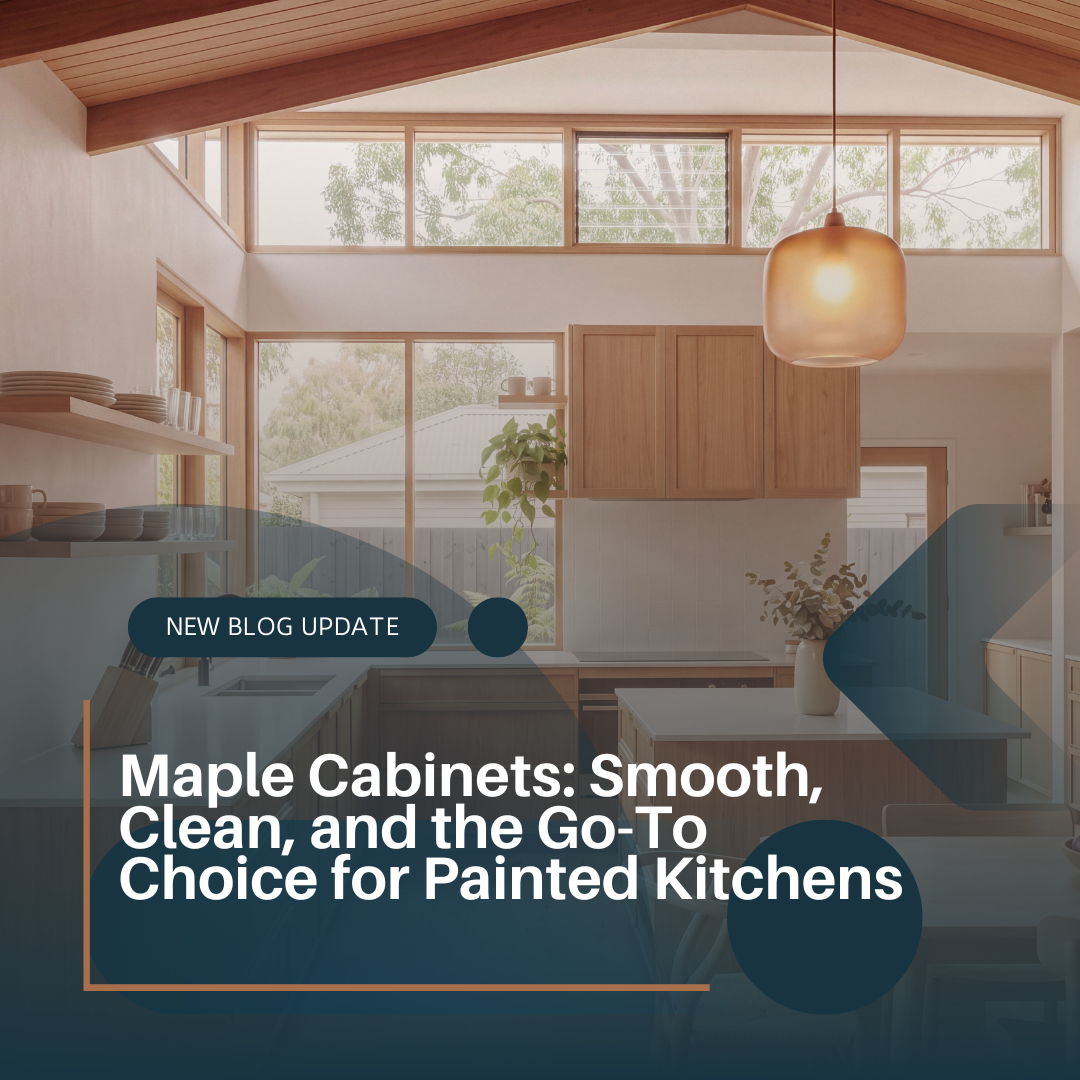
If you've ever admired a kitchen and thought, "Those cabinets look almost furniture-perfect," there's a good chance they were maple. Maple is the wood quietly hiding behind a huge percentage of the painted kitchens you've seen and loved — on Instagram, in magazines, in friends' remodels across the East Bay.
It doesn't announce itself. It doesn't have dramatic grain or bold color shifts. What it has is control, consistency, and a smooth surface that takes paint better than almost any other cabinet wood. And in a market where half of all clients want white or off-white painted cabinets, that's not a small thing.
Wood Species Series
- Wood Species 101: Start Here
- Oak Cabinets
- Maple Cabinets (this post)
- Walnut Cabinets
- Cherry Cabinets
- Alder Cabinets
- Hickory Cabinets
- Birch Cabinets
- Ash Cabinets
- Pine Cabinets
Why Maple Is the Go-To for Painted Cabinets
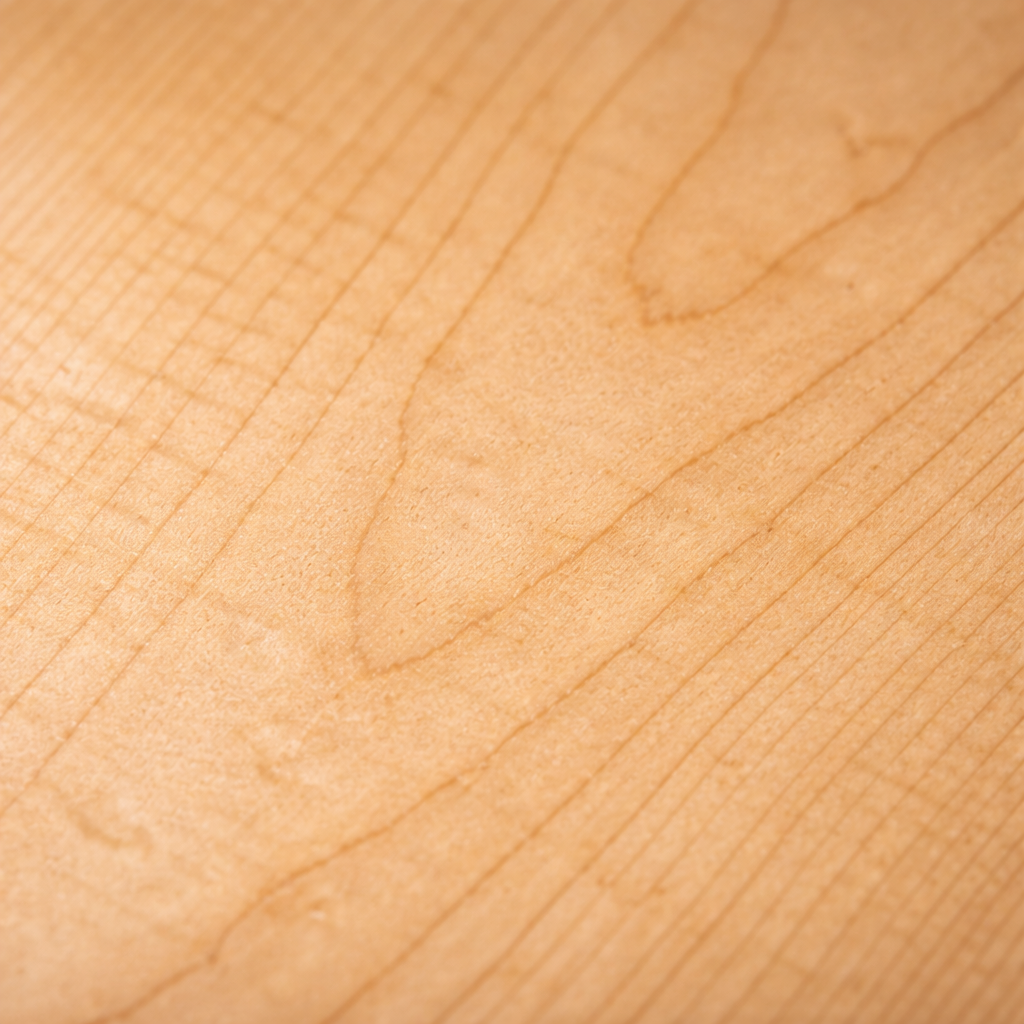
Maple has one structural advantage that most homeowners don't know about until we explain it: the grain is exceptionally tight and uniform. That matters enormously for paint because grain that telegraphs through paint — and oak does this, birch does this to a lesser degree — looks nothing like you expected when you were staring at the sample board. Maple's grain is so fine it lays almost flat under paint. You get a smooth, consistent surface that holds up and stays looking sharp.
Jargon Card
Grain Telegraphing
When wood grain shows through paint — not immediately, but over time as humidity causes the wood to expand and contract. You can see it as a subtle texture or ripple in what was supposed to be a smooth surface. Maple's exceptionally tight grain structure makes it highly resistant to this, which is why cabinet makers default to it whenever a painted finish is the goal.
We see it in condos across Rossmoor and townhomes throughout the East Bay — wherever someone wants that crisp, clean painted look and wants it to stay that way for fifteen years. Maple is usually what we're reaching for.
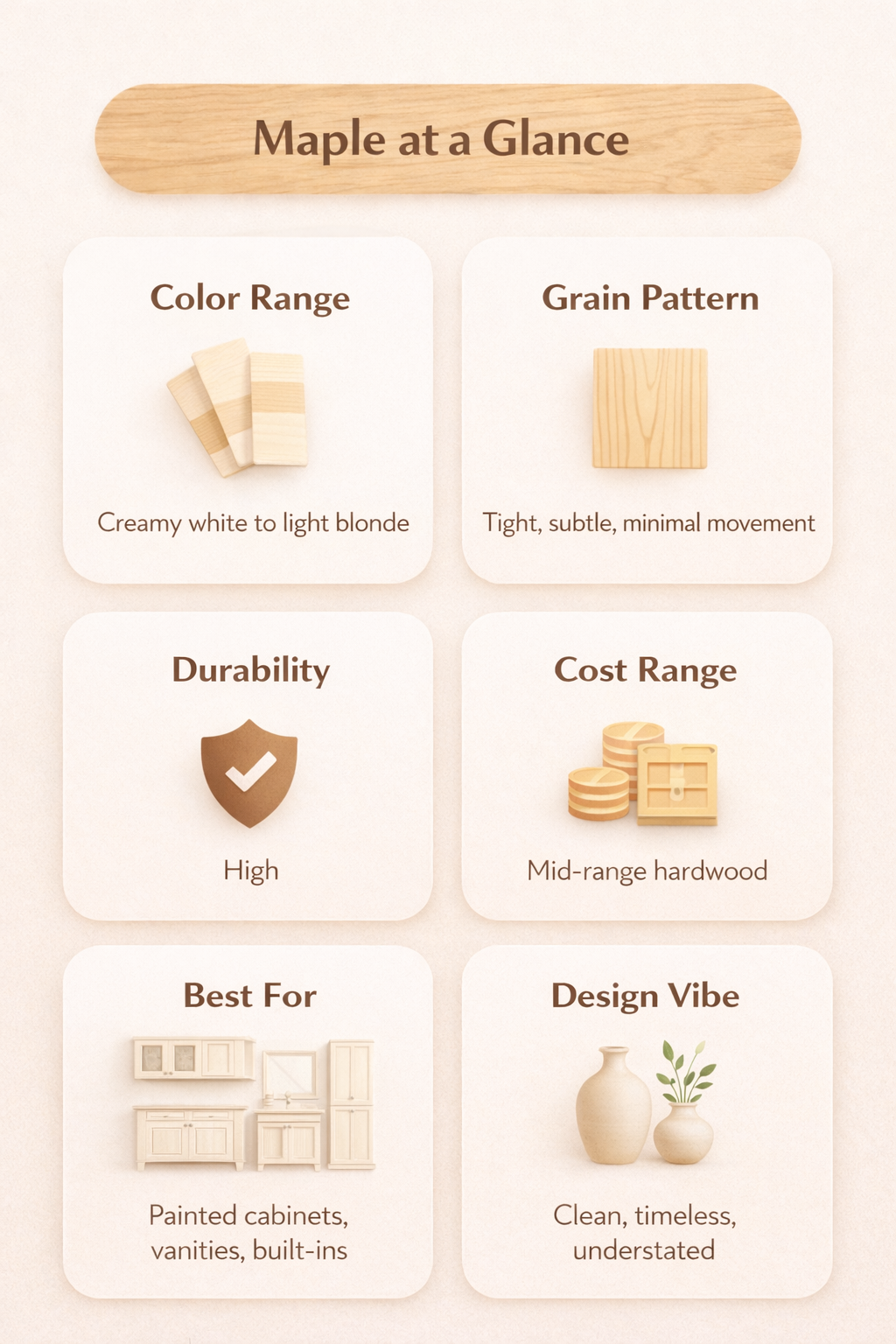 Infographic outlining maple wood characteristics, including its light color range, subtle grain pattern, durability, cost, and best applications for cabinetry.
The One Honest Warning: Staining Maple
Here's where maple gets a complicated reputation, and I want to be direct about it. Maple is dense. And dense wood doesn't absorb stain evenly. If you try to stain maple — especially with medium or dark stains — you can end up with blotchy, patchy results that look nothing like what you saw on the sample board. Not because the stain is wrong, but because maple resists it unevenly.
"Maple painted white is one of the most beautiful, timeless things we install. Maple stained dark is a conversation we have to have carefully before anyone commits."
Light, natural finishes are usually fine. Clear coats that enhance maple's natural pale warmth look lovely and consistent. But if someone comes to us wanting maple with a walnut-toned stain, we spend real time on that conversation — because the outcome depends heavily on the finisher's skill and the client's realistic expectations going in. If a warm, stained wood finish is your goal, alder takes stain far more evenly and is worth a serious look instead.
Maple vs. the Alternatives for Painted Cabinets
The most common question we get about maple: "Is it worth it over birch?" And the honest answer depends on your timeline and how much long-term paint smoothness matters to you.
| Quality | Maple | Birch | Oak |
|---|---|---|---|
| Painted finish | Best — smooth, stays smooth | Good — some grain over time | Not ideal — telegraphs grain |
| Grain under paint | Nearly invisible | Subtle but present | Visible, worsens with humidity |
| Dark stain | Blotchy — not recommended | Blotchy — not recommended | Works well |
| Durability | High | Moderate | Very high |
| Cost | Mid-range | Lower | Mid-range |
If your priority is a painted finish that stays smooth and looks clean for decades, maple wins that conversation every time. Birch is a reasonable budget alternative, but it's not the same — and in the Bay Area's humid microclimates, that difference shows up faster than most people expect.
Door Styles That Suit Maple
Maple's smooth, consistent surface makes it one of the most versatile species for door styles. It doesn't have strong opinions the way hickory or walnut do — it adapts to almost anything.
- Shaker doors are the most common and the most classic. The clean lines suit painted maple perfectly, and the style is timeless enough that it won't feel dated in ten years.
- Flat-panel (slab) doors look contemporary and work especially well in modern kitchens. The smooth maple surface with no grain interruption makes painted slab doors look almost custom-made.
- Raised panel doors work well in traditional kitchens. Maple's consistency keeps the detail crisp and clean — no grain fighting the profile.
- Beadboard or inset panels are a great match for cottage or transitional styles. Maple holds detail crisply and paints evenly across intricate profiles.
The one style to be thoughtful about: very ornate carved profiles. Maple can handle them technically, but the wood's neutrality means all the visual interest lives in the carving alone — which works in traditional spaces but can feel out of place in modern ones.
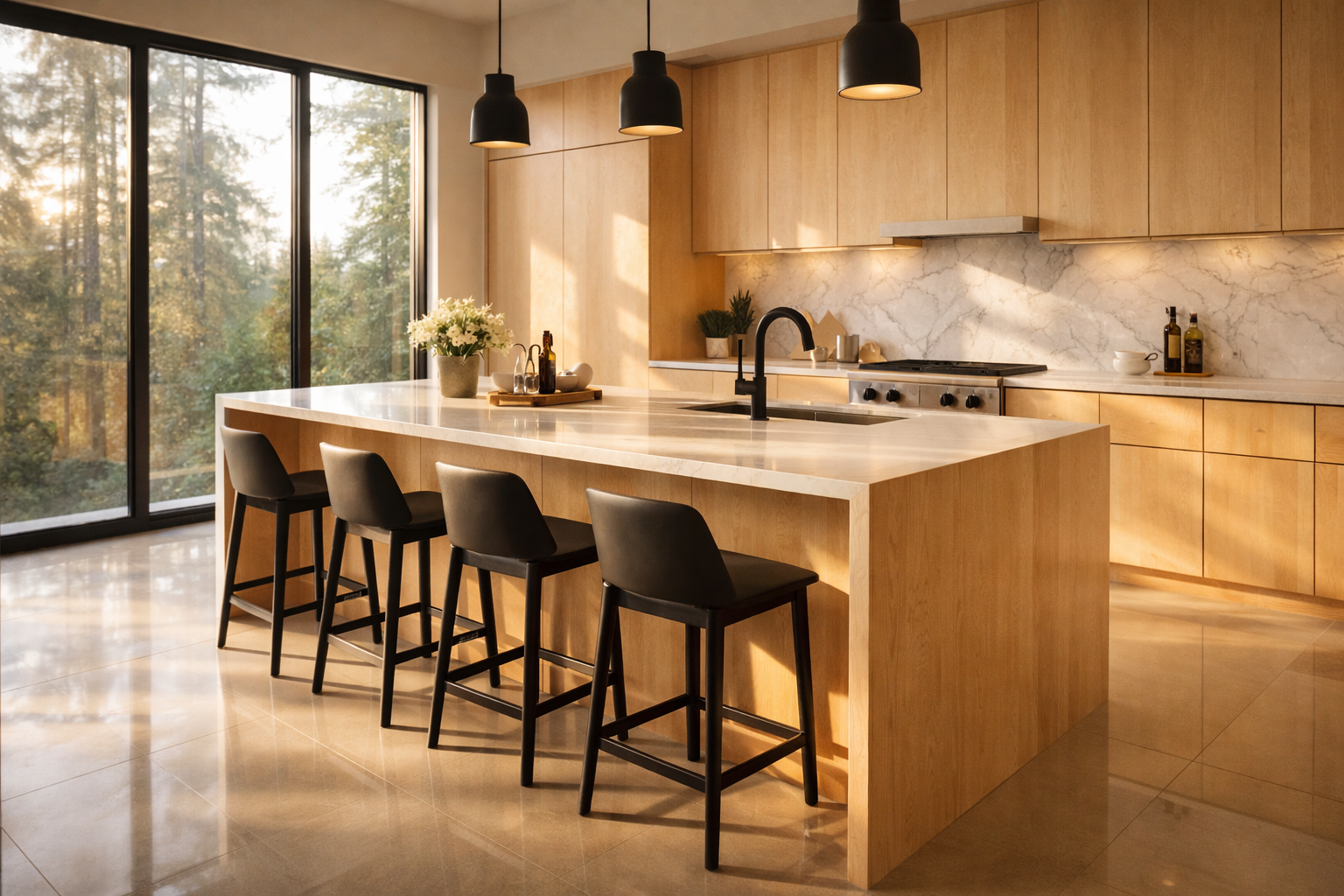 Modern kitchen featuring light maple cabinets with a smooth, minimal grain, paired with a waterfall island, black accents, and warm natural lighting.
What Maple Actually Costs
Maple sits solidly in the mid-range of hardwood pricing — comparable to oak, more than birch or alder, and meaningfully less than walnut or cherry. Like oak, it's widely available — which means shorter lead times and more competitive pricing between suppliers.
One thing worth noting: the cost of a great maple paint job isn't just the wood. Prep matters enormously. Good primer, proper sanding between coats, and a skilled painter are what separate a maple kitchen that looks sharp at year twelve from one that starts showing wear at year three. Budget for the finish as seriously as you budget for the material.
How Maple Ages
Painted maple ages very consistently — which is exactly what you want from a painted cabinet. It doesn't yellow the way some woods do. It holds its color well. Touch-ups are relatively easy because the surface is uniform. A well-finished maple kitchen looks close to the same at year ten as it did at year one — which is the whole point of choosing it.
Natural or clear-finished maple (unpainted) does amber slightly over time as the wood oxidizes. Fresh maple can look almost white; after a few years, it takes on a warmer, creamier tone. This is a subtle change — nothing dramatic — but it's worth knowing if you're planning a natural finish and want to match it to other materials in the room.
Pros and Cons
What Works
- Best available wood for smooth, long-lasting painted finishes
- Very durable — handles daily wear without complaint
- Timeless look that doesn't chase trends or feel dated fast
- Widely available — good lead times and competitive cost
- Subtle grain keeps spaces feeling calm, open, and uncluttered
What to Watch For
- Not the right choice for dark or dramatic stained finishes — blotching risk
- Can feel too uniform if you love visible grain and natural wood character
- Natural maple ambering over time — plan for it with adjacent materials
- Finish quality makes or breaks the result — prep and skill matter enormously
???? Rossmoor Homeowners
Maple is a fantastic fit for Rossmoor kitchens — especially in units with tighter layouts where a calm, clean visual reads as larger. Painted maple in a soft white or warm cream, combined with simple hardware and good lighting, is a combination we've done many times in Rossmoor co-op kitchens and it consistently looks sharp and photographs beautifully for resale. If your Mutual board approval process is already stressful enough, the last thing you want is a material choice that creates installation complications. Maple doesn't create drama. It just delivers.
Design Pairings That Work With Maple
Maple's greatest strength as a design material is its neutrality. It steps back and lets everything else in the kitchen do the talking. That means pairings matter more with maple than with statement woods — there's nothing in the cabinet itself to anchor the room, so the countertop, hardware, and wall colors carry more visual weight.
Countertops: Almost anything works — quartz, marble, porcelain, soapstone, butcher block. Maple is the rare wood that doesn't fight any of them. If you want the countertop to be the star, painted maple is the right backdrop. Busier stones read beautifully against a clean white cabinet because there's nothing competing.
Hardware: Polished nickel for classic, brushed brass for warmth, matte black for modern contrast, oil-rubbed bronze for transitional spaces. Maple takes all of these without fighting any of them — which is either very freeing or mildly paralyzing depending on how decisive you are.
Wall colors: Warm whites, creams, pale greiges, muted blues, and soft sage greens all work beautifully alongside painted maple. Because the cabinet isn't providing warmth the way alder or oak would, the wall color has an opportunity to set the emotional tone of the room.
Backsplash: Simple subway, large-format matte tile, zellige, or full slab. With painted maple, the backsplash is where you can introduce texture, pattern, or color without the wood competing. It's one of the few cabinet choices where a bold backsplash genuinely works.
 Infographic outlining maple wood characteristics, including its light color range, subtle grain pattern, durability, cost, and best applications for cabinetry.
Is Maple Right for You?
Maple is the right wood if you want smooth, long-lasting painted cabinets, prefer clean and calm interiors over expressive ones, want a timeless look that will still feel current in fifteen years, and care about resale value. It's the wood that shows up most reliably in "safe bet" remodels — and that's not an insult. In the right context, reliable and beautiful are the same thing.
Look elsewhere if you love bold visible grain and want the wood itself to be the design statement. For dramatic natural wood, walnut is the direction. For visible grain with warmth and character, white oak is the answer. For a stained wood finish that absorbs evenly without maple's blotching risk, alder is worth a serious look. And if budget is the primary driver and you still want a painted finish, birch is the honest alternative — with the caveat that it won't hold paint as cleanly over the long term.
Maple is not the right wood for drama. It's the right wood for lasting.
From Candi
Maple is one of those materials where the difference between a good installation and a great one comes down to prep and finishing skill. The wood itself is incredibly cooperative — but that also means any shortcuts in the painting process show up clearly. We take that part seriously. If you want to talk through cabinet options or see how we approach the process, our kitchen remodeling page is a good starting point, or just reach out directly.
Ready for Those Painted Cabinets?
Let's talk through your space and make sure the wood, the finish, and the design all work together. Forty years of honest experience, no pressure.
Let's Talk →
Toupin Construction
Ready to start your remodel?
Whether you're dreaming of a new kitchen, a spa-worthy bathroom, or a whole-home transformation — we’d love to hear about your project. Reach out and let's talk.
‹ Back
Comments