


By using our website, you agree to the use of cookies as described in our Cookie Policy
Blog
What a Real Carpenter Does
Series: What the Trades Actually Do · Post 6 of 8
Not a handyman. There's a real difference — and it shows up in your home.
By Candi Toupin·Toupin Construction · Walnut Creek, CA·CA Lic #626819·Behind the Scenes Remodeling Process East Bay
Tim started as a carpenter. That's the foundation the whole company is built on — literally. And in forty years of running Toupin Construction, the thing that still frustrates him most is when someone conflates a skilled carpenter with a general handyman.
He doesn't say it with ego. He says it because the difference matters to the people who live in those homes. A handyman can fix a leaky faucet, patch a hole in a screen door, and swap out a light fixture. A carpenter builds the bones. Those are not the same skill set, and they're not the same responsibility.
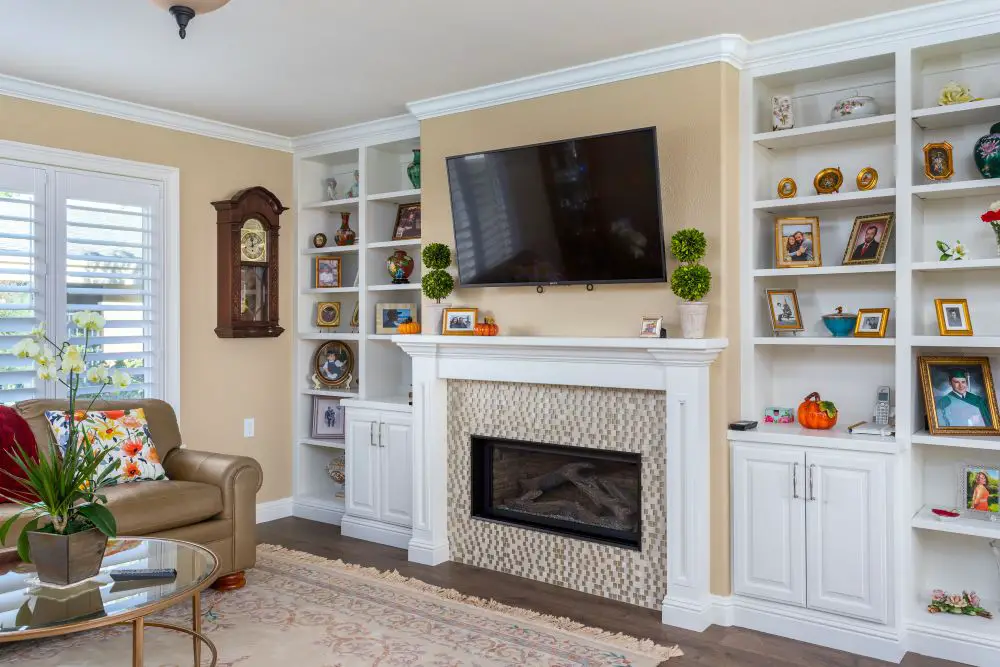 This built-in unit is a full wall-to-wall custom millwork installation — the fireplace surround, mantel, and flanking bookcases are all built as one continuous system rather than separate pieces bolted together. A few things worth calling out:
The Word "Carpenter" Covers a Lot of Ground
Here's where it gets honest: the title "carpenter" actually does cover a wide range of work. Not all carpenters do the same things. The broad categories are rough carpentry and finish carpentry — and they require very different skills. This post is about rough carpentry. We'll cover finish carpentry in the next post.
|
Rough Carpenter |
Finish Carpenter |
|
Framing walls, floors, roofs |
Installing trim, molding, built-ins |
|
Structural work — beams, headers, posts |
Cabinet installation |
|
Door and window rough openings |
Door hanging and hardware |
|
Subfloor work |
Stair railings and balusters |
|
Deck and fence framing |
Custom millwork and wainscoting |
|
Works before drywall |
Works after drywall and paint |
What a Rough Carpenter Does in a Remodel
In a kitchen or bathroom remodel, the rough carpenter is often the first trade on site after demo. Before anyone else can do their work, the carpenter establishes the structure. Here's what that actually looks like:
Framing New Walls and Openings
If you're moving a wall, adding a wall, or opening up a pass-through, that's framing work. The carpenter builds the new wall structure from studs, plates, and headers — the pieces that hold everything else up. In older East Bay homes, framing is often irregular. Walls aren't always plumb. Studs aren't always 16 inches on center. A skilled carpenter reads the existing structure and works with it rather than against it.
Trade Term Explained
Header
When a wall opening is cut — for a doorway, window, or pass-through — the framing above that opening needs a structural beam called a header to carry the load that the removed studs used to carry. The size of the header depends on the width of the opening and what's above it. Getting this wrong is a structural failure waiting to happen. Getting it right is something a real carpenter does without thinking twice.
Structural Wall Removal
Opening up a floor plan — removing a wall between a kitchen and a living room, for example — is one of the most dramatic things a remodel can do for a home. It's also one of the most technically demanding. Before a wall comes down, someone has to determine whether it's load-bearing. If it is, the load it was carrying has to be re-engineered and transferred to new structure: a beam, posts, footings. A carpenter who does this kind of work understands structural load paths. A handyman should not be doing this work.
Subfloor Work
The subfloor is the structural layer of the floor system — the plywood or OSB that sits on top of the floor joists and below whatever finish flooring you see. In remodels, subfloors often need repair: damaged sections replaced, humps leveled, squeaks addressed. Tile especially requires a solid, flat, stiff subfloor — any flex will crack the grout and eventually the tile. The carpenter makes sure that foundation is right.
Door and Window Rough Openings
Every door and window in a home lives inside a rough opening — the framed cavity that's slightly larger than the unit itself to allow for shimming and leveling. The carpenter frames these openings to the right size and ensures they're plumb, level, and square. If they're not, the door or window won't operate correctly no matter how good the hardware is.
Deck and Exterior Framing
Rough carpentry extends outside too. Deck framing, fence posts, pergola structure — these are all rough carpentry work. In the East Bay climate, where we get wet winters and dry hot summers, proper wood selection, flashing details, and joist hanger hardware matter enormously for long-term performance.
"Rough carpentry is the work nobody photographs, but it's the reason every other trade can do their job. You can't build anything beautiful on a foundation that's wrong."
— Candi Toupin, Toupin Construction
The Handyman Distinction
A handyman is a generalist — someone who can handle a wide variety of small to medium tasks around a home. There's real value in that. Not everything needs a specialist. But handyman work and structural carpentry are genuinely different in terms of skill level, licensing, and accountability.
In California, a contractor's license is required for jobs over $500 in combined labor and materials. That threshold exists for a reason — work that goes beyond simple repairs carries real risk if done incorrectly. When we send a carpenter to your home, they're working under our license (#626819), under our insurance, and under our quality standards. That's not a formality. It's protection for you.
The next post in this series is about finish carpenters — the trade that takes what rough carpenters build and turns it into something you can actually see and be proud of. They're different people, with different tools and different sensibilities, and they're both essential.
What the Trades Actually Do · Full Series
8 posts. 8 trades. Real respect for real work.
-
What a Real Carpenter Does (Not a Handyman) — You're reading it
-
What a Finish Carpenter Is
-
What a Painter Actually Does
Thinking About Structural Changes?
Whether you want to open up a floor plan, add a beam, or frame something new — let's talk through what it would actually involve. Honest answers, no surprises.
Toupin Construction · Walnut Creek, CA · CA Lic #626819
Serving Walnut Creek, Rossmoor, Lafayette, Orinda, Danville & the East Bay

Toupin Construction
Ready to start your remodel?
Whether you're dreaming of a new kitchen, a spa-worthy bathroom, or a whole-home transformation — we’d love to hear about your project. Reach out and let's talk.
‹ Back
Comments