


By using our website, you agree to the use of cookies as described in our Cookie Policy
Blog
Electricans 101
Series: What the Trades Actually Do · Post 4 of 8
No permits. No licensed electrician. No resale value. Just saying.
By Candi Toupin· Toupin Construction · Walnut Creek, CA·CA Lic #626819·Behind the Scenes Electrical & Lighting East Bay
A few years ago, a homeowner called us about a kitchen remodel. In the course of the conversation, she mentioned that her cousin had already "handled the electrical" to save some money. No permit. No licensed electrician. Just her cousin, some wire, and YouTube.
We had a gentle but honest conversation about what that meant — for the safety of her home, for her homeowner's insurance, and for what happens when she tries to sell. The electrical got redone. The right way. With a license and a permit.
I tell that story because it captures something important: electrical work in a remodel isn't optional and it isn't simple. Here's what a real electrician actually does.
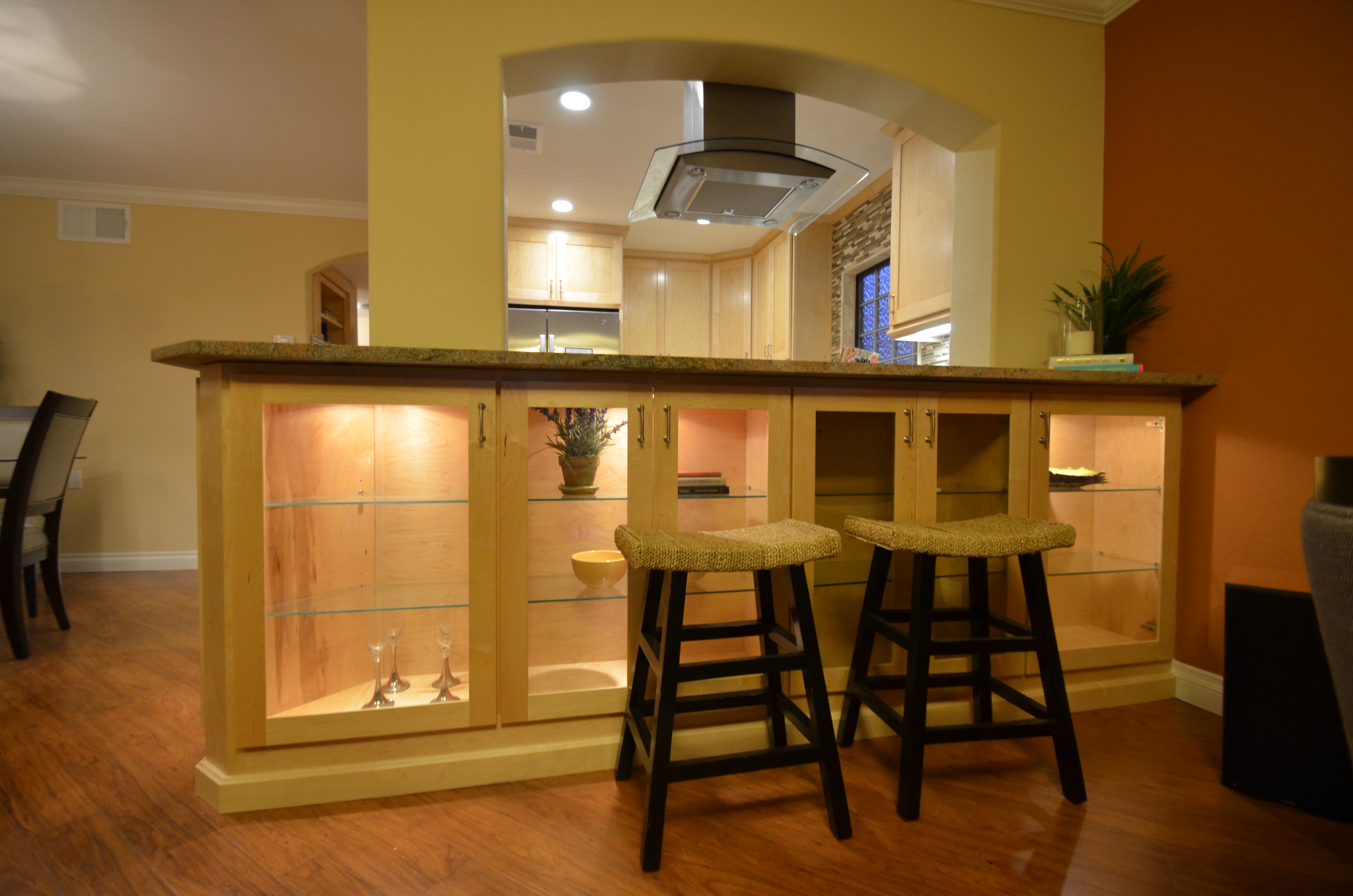 A professionally remodeled kitchen showcasing custom electrical and lighting installation, including recessed ceiling lights, illuminated glass display cabinets, under-cabinet lighting, and a modern island range hood. Thoughtfully planned electrical work enhances both functionality and ambiance while complementing the custom cabinetry and open-concept design.
What Electricians Do in a Kitchen or Bathroom Remodel
Most people picture an electrician as the person who shows up to fix a tripped breaker or replace an outlet. That's a tiny slice of what a remodeling electrician does. In a kitchen or bathroom remodel, the scope is completely different.
-
Rough-in wiring: When walls are open, the electrician runs new circuits, installs junction boxes, and routes wire to where every outlet, switch, fixture, and appliance will eventually live. This has to happen before drywall closes everything up.
-
Panel assessment and upgrades: Older East Bay homes — particularly those built in the '50s, '60s, and '70s — often have electrical panels that were never designed to handle modern appliance loads. A remodel is often the right time to assess the panel and upgrade if needed.
-
Circuit additions: Modern kitchens require dedicated circuits for the refrigerator, dishwasher, microwave, garbage disposal, and often the range. A bathroom needs dedicated circuits for GFCI-protected outlets and exhaust fans. If those circuits don't exist, the electrician adds them.
-
GFCI and AFCI protection: Code requires specific types of protective outlets in wet areas and certain other locations. The electrician installs and tests these.
-
Lighting rough-in: Every recessed light, pendant drop, vanity fixture, and undercabinet light needs its circuit and box placed before drywall goes up. Placement is critical — a recessed light that's two inches off center in a symmetrical ceiling is very obvious.
-
Finish electrical: After drywall and paint, the electrician returns to install the actual devices — outlets, switches, dimmers, fixtures. This is called the trim-out.
-
Inspection coordination: All permitted electrical work requires a city inspection at rough-in and again at finish. A licensed electrician knows what the inspector will look for and makes sure the work passes.
-
-
-
Trade Term Explained
GFCI Outlet
Ground Fault Circuit Interrupter — the outlet with the little TEST and RESET buttons you've seen in bathrooms and kitchens. It monitors the flow of electricity and cuts power almost instantly if it detects a ground fault — essentially, if electricity starts going somewhere it shouldn't, like through a person. Required by code in kitchens, bathrooms, garages, outdoor locations, and anywhere near water. Not optional, not something to skip to save money.
The Panel: The Part Everyone Forgets to Budget For
Here's where we see a lot of surprises in the East Bay. A homeowner plans a beautiful kitchen remodel. The design is done, the cabinets are ordered. Then the electrician opens the panel and finds a 100-amp service, Federal Pacific breakers, or aluminum branch circuit wiring — and suddenly there's a conversation that wasn't in the original plan.
We're not saying this to scare you. We're saying it because understanding it upfront is better than discovering it mid-project. Homes built in Walnut Creek, Pleasant Hill, Concord, and Rossmoor in the 1960s and '70s frequently have electrical systems that were adequate then and undersized now. Modern kitchens pull significantly more power than kitchens of that era — more appliances, larger appliances, undercabinet lighting, warming drawers, wine fridges. The infrastructure needs to match.
Trade Term Explained
Dedicated Circuit
A circuit that runs directly from the panel to a single outlet or appliance, with nothing else on it. Modern code requires dedicated circuits for major kitchen appliances because they draw enough power that sharing a circuit with anything else would cause nuisance tripping or, worse, a fire risk. Refrigerators, dishwashers, microwaves, disposals — each should have their own circuit. In older homes, they often don't, which is something a remodel is the perfect time to fix.
Why "No Permit" Is Never Worth It
The temptation is understandable. Permits cost money and take time. But unpermitted electrical work creates three real problems that compound over time:
-
Safety: Electrical code exists because electrical fires are real and preventable. Work done without inspection isn't verified against code. That's not a technicality — it's a safety gap.
-
Insurance: If a fire starts in an area with unpermitted work, your homeowner's insurance may deny the claim. This is not a hypothetical — it happens.
-
Resale: Unpermitted work shows up in a sale. Buyers have inspectors. Inspectors find things. Either the work has to be disclosed, redone, or it kills the deal. The "savings" from skipping permits often get paid back many times over at the worst possible moment.
-
-
-
-
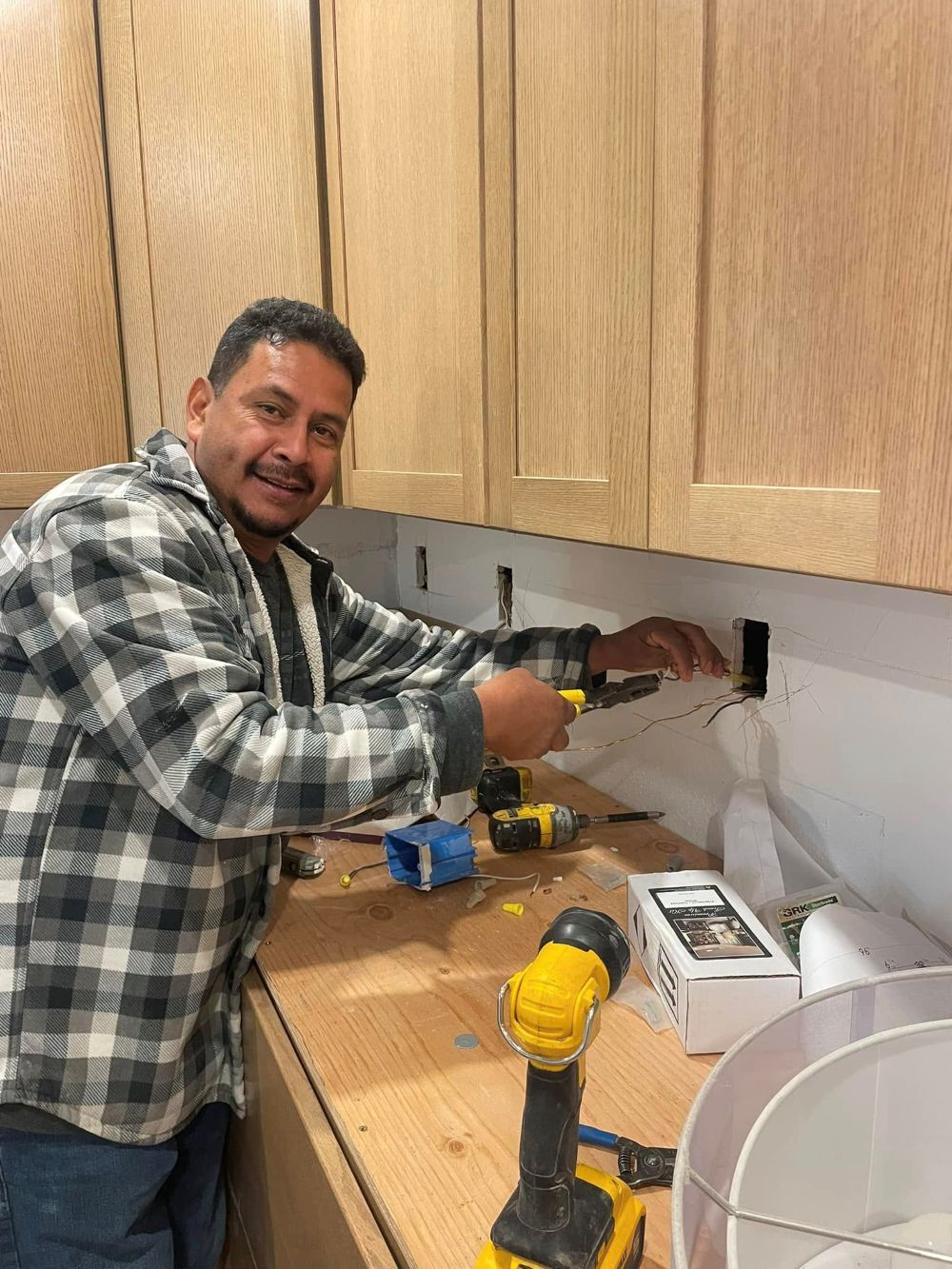 A licensed electrician installs electrical wiring and outlet boxes during a kitchen remodel in the East Bay. Working beneath newly installed custom wood cabinetry, the electrician completes rough-in and finish electrical work to ensure the kitchen is safe, code-compliant, and ready for appliances, lighting, and everyday use.
 -
-
-
"The permit isn't bureaucracy for its own sake. It's the mechanism that makes sure a licensed professional checked the work before your walls closed around it."
A Note for Rossmoor Homeowners
Electrical work in Rossmoor co-ops and condos carries an extra layer: Mutual board approval is typically required for any permitted work, and the Mutual has its own standards that may go beyond city code. We navigate this regularly — it's not a barrier, just a step that needs to happen in the right order before work begins.
What Makes a Good Remodeling Electrician
Not all electricians are the same, and not all electricians are comfortable with remodeling work specifically. A remodeling electrician works in occupied homes, around other trades, within tight timelines, and often in older houses with electrical systems that don't follow any logical plan. They need to be problem-solvers as much as technicians.
The best ones communicate clearly — with the homeowner when there's something they need to know, and with the PM when something in the scope has to change. They show up when they're scheduled. They pull their own permits. And their work passes inspection the first time.
Those are the electricians we work with.
What the Trades Actually Do · Full Series
8 posts. 8 trades. Real respect for real work.
-
Electricians 101 — You're reading it
-
What Plumbers Do in a Remodel
-
What a Real Carpenter Does (Not a Handyman)
-
What a Finish Carpenter Is
-
What a Painter Actually Does
Have Questions About Your Electrical?
Whether you're planning a remodel or just not sure what your older home's electrical situation looks like, we're happy to talk it through honestly. No obligation.
Toupin Construction · Walnut Creek, CA · CA Lic #626819
Serving Walnut Creek, Rossmoor, Lafayette, Orinda, Danville & the East Bay

Toupin Construction
Ready to start your remodel?
Whether you're dreaming of a new kitchen, a spa-worthy bathroom, or a whole-home transformation — we’d love to hear about your project. Reach out and let's talk.
‹ Back
Comments