

By using our website, you agree to the use of cookies as described in our Cookie Policy
Blog
Double the Oversight: Rossmoor vs. Walnut Creek Inspections (and What That Means for Your Remodel)
Double the Oversight: Rossmoor vs. Walnut Creek Inspections (and What That Means for Your Remodel)
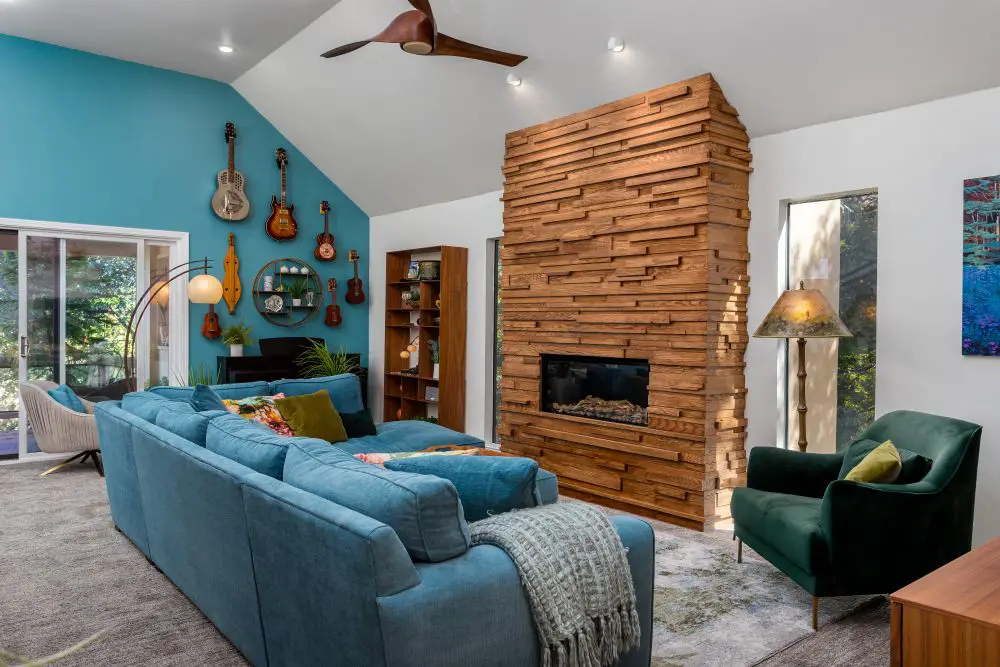
Modern living room with a bold teal accent wall, sculptural wood feature fireplace, and vaulted ceilings, creating a warm and artistic focal point.
The call we get a lot from new Rossmoor residents goes something like this: "I got my Mutual approval, so I'm ready to start — can you be here Monday?"
Deep breath. Not quite.
Remodeling in Rossmoor means working within two completely separate oversight systems simultaneously — the Mutual (Rossmoor's internal co-op governance) and the City of Walnut Creek (the municipal authority). They have different rules, different timelines, different inspectors, and different things they care about. Getting approval from one doesn't get you approval from the other. Both have to be satisfied before a single wall comes down.
We've been navigating this dual system since the 1980s, across thousands of Rossmoor remodels. Here's exactly how it works — and why it matters who you hire to manage it.
Wait — What's a "Mutual"?
Rossmoor operates as a stock cooperative, meaning residents purchase shares in a "Mutual" corporation rather than holding a traditional property deed. There are over a dozen individual Mutuals within Rossmoor — think of each one as its own mini-HOA governing a cluster of buildings. Your Mutual board has authority over any construction work that could affect shared spaces, neighboring units, or the building structure. Which Mutual you belong to determines exactly what rules apply to your remodel.
Layer One: The City of Walnut Creek
Rossmoor sits within Walnut Creek city limits, which means the City of Walnut Creek Building Division has jurisdiction over all construction work — including work inside your condo. This is the same permitting and inspection system that applies to any single-family home remodel in the city.
When you need a city permit
Any remodel touching structural elements, plumbing, electrical, or mechanical systems requires a permit from the City of Walnut Creek before work begins. In practical terms, that covers almost every meaningful remodel:
Building permits are required for anything structural — removing or modifying walls, changes to load-bearing elements, additions. Electrical permits cover new circuits, panel upgrades, rewiring, or any changes to the electrical system. Plumbing permits apply to moving pipes, adding fixtures, relocating a sink, or replacing a water heater. Mechanical permits cover HVAC replacements, new exhaust systems, and duct modifications.
What city inspections look for
Once a permit is issued, city inspectors come out at specific stages of the project — not just at the end. A rough-in inspection happens after framing, plumbing, and electrical are in place but before walls close up. A final inspection happens when the work is complete and everything needs to meet California Building Code.
These are non-negotiable. A project that's completed without passing inspections is unpermitted work — and unpermitted work is a liability that follows the home at resale.
Trade Jargon: "Rough-In Inspection"
Before any drywall goes up, a city inspector reviews all the plumbing pipes, electrical wiring, and structural framing that will soon be hidden inside the walls. This is your one shot to catch problems before they're buried. We schedule these proactively — a failed rough-in that has to be reinspected can add days to a project timeline.
Layer Two: Your Mutual's Architectural Review
The Mutual approval process is separate from — and runs parallel to — the city permit process. It's also where most first-time Rossmoor remodelers underestimate the timeline.
What triggers Mutual review
Most Mutuals require architectural approval for any remodel beyond cosmetic updates (paint, flooring, fixture swaps that don't involve plumbing changes). Work that's almost always subject to review includes: anything affecting shared walls or plumbing stacks, kitchen and bathroom remodels involving plumbing, window or door replacements visible from the exterior, and any structural modifications.
Common Mistake
Starting work before Mutual approval is granted — even if you have a city permit in hand — can result in a stop-work order from your Mutual, fines, and in serious cases, a requirement to restore the unit to its original condition. We've seen this happen. It's expensive and stressful and entirely avoidable.
What the Mutual reviews and why
The Mutual's focus is different from the city's. Where the city cares about building code and safety standards, the Mutual cares about community standards, aesthetics, and the impact on neighboring units and shared infrastructure. Your neighbor shares a plumbing stack with you. Your building shares an exterior aesthetic with the whole Mutual. The board's job is to protect everyone.
Specifically, Mutuals typically review: construction plans and scope of work, contractor licensing and insurance documentation (they require specific coverage minimums — our certificates are in order), a deposit to cover any common area damage during construction, and any exterior changes for consistency with the building's approved style.
The timeline reality
This is the part that surprises people most. Mutual boards meet on a schedule — monthly in most cases. If your application misses the submission deadline before a meeting, you're waiting until the next one. Add review time, possible requests for additional documentation, and a follow-up meeting if changes are needed, and Mutual approval alone can take 4–8 weeks from initial submission.
We factor this into every project timeline from day one. Submitting to the Mutual and the city simultaneously — which we do — is how we avoid letting one system sit idle while waiting on the other.
Side by Side: How the Two Systems Differ
| Area | City of Walnut Creek | Rossmoor Mutual |
|---|---|---|
| Authority | Municipal building code and California state law | Co-op bylaws and Mutual-specific rules |
| Primary Focus | Safety, structural integrity, code compliance | Community standards, aesthetics, shared infrastructure |
| Inspectors | City building officials, licensed inspectors | Mutual board reps or hired community inspectors |
| Permit/Approval Triggers | Any structural, plumbing, electrical, or mechanical work | Most remodels beyond pure cosmetic updates |
| Timeline | Based on city permit processing (days to weeks) | Board meeting schedule (often monthly); 4–8 weeks typical |
| Contractor Requirements | CA state contractor license | License + specific insurance minimums + deposit |
| Enforcement | Stop-work orders, code violations, fines | HOA fines, work stoppage, restoration requirements |
| Inspection Stages | Rough-in + final (minimum); may include framing, electrical, plumbing separately | Pre-work review + move-in/move-out; sometimes mid-project site check |
How We Navigate Both Systems
This is the part where I get to tell you what 40 years of Rossmoor experience actually looks like in practice.
1
We identify your Mutual first
Before we touch a permit application or an architectural submission, we find out exactly which Mutual your unit belongs to and pull their current rules. Requirements vary across Mutuals — what's standard in one may require additional documentation in another. We've worked in nearly all of them and keep current on their requirements.
2
We submit to both systems simultaneously
City permit application and Mutual architectural submission go in at the same time, as soon as the design is finalized. Waiting on one before starting the other is how projects lose a month before construction even begins.
3
We handle the documentation
Mutuals require specific paperwork from contractors: current license verification, general liability and workers' comp certificates at their required minimums, and sometimes a construction deposit. We have all of it prepared and ready. Our clients have never had a project delayed because of missing contractor documentation.
4
We coordinate the inspection schedule
City rough-in and final inspections, Mutual site checks, and our own quality walk-throughs all get scheduled in sequence so nothing sits waiting. Our project managers know the city inspectors and know the Mutual inspection process. The coordination that trips up contractors unfamiliar with Rossmoor is just how we operate.
5
We protect the common areas
Rossmoor's hallways, elevators, and entryways are shared spaces and the Mutual takes their condition seriously. We use proper protection materials during construction, coordinate with building management on move-in/move-out scheduling for materials, and leave common areas in the same condition we found them. This is basic professional courtesy — and it's part of why Mutuals keep approving our projects.
"The paperwork is the part our clients dread most — until they realize we just handle it. That's not a selling point. That's just what working with experienced Rossmoor contractors looks like."
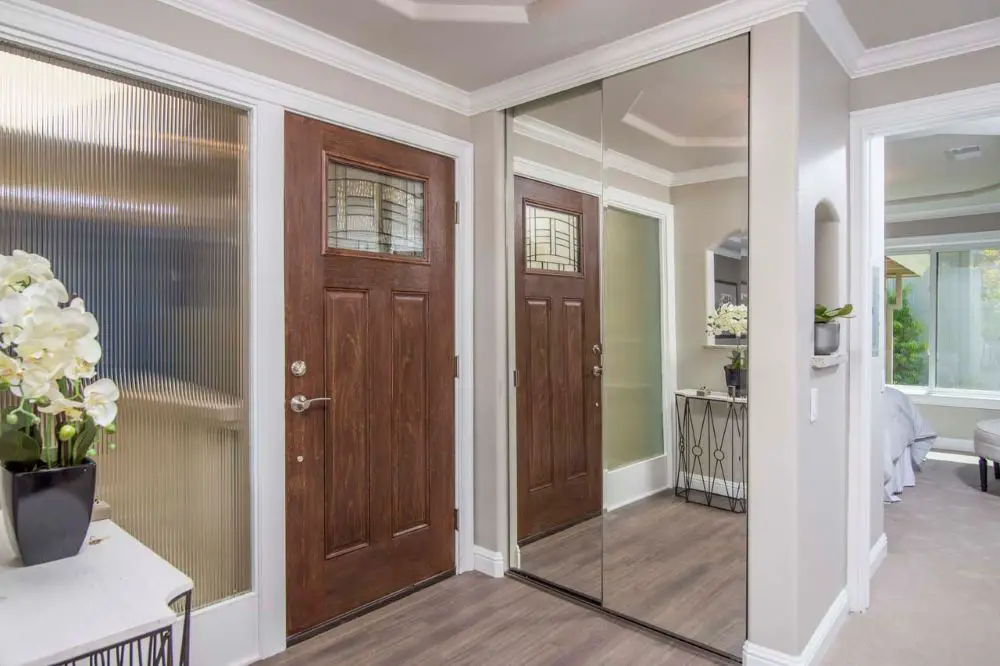
Updated entryway with wood front door, mirrored closet doors, neutral walls, and clean trim details, opening into a bright and inviting interior space.
Frequently Asked Questions
Do all remodels in Rossmoor require Mutual approval?
Most meaningful remodels do. Pure cosmetic work — paint, flooring that doesn't affect the subfloor, hardware swaps — typically doesn't require Mutual sign-off. Anything touching plumbing, electrical, walls, or the exterior almost certainly does. When in doubt, we check before we submit. Starting without approval is the expensive mistake.
How long does it take to get approval from both systems?
City permits for straightforward bathroom or kitchen remodels: 2–4 weeks in most cases. Mutual architectural approval: 4–8 weeks depending on the board's meeting schedule and whether the application is complete on first submission. We submit both simultaneously and design approval timelines into the project schedule from day one — so the construction start date we give you accounts for all of it.
What if my Mutual denies the architectural application?
It's rare when the application is complete and well-prepared, but it happens. Most denials come down to incomplete documentation, missing contractor credentials, or a proposed change that the board sees as impacting shared systems or neighboring units. We've navigated appeals and resubmissions before. The key is understanding what the board's concerns are and addressing them directly. Generic applications get generic pushback.
Can I use any licensed contractor in Rossmoor?
Any California-licensed contractor can legally apply for permits in Walnut Creek. But Mutuals have their own additional requirements — specific insurance coverage minimums that not all contractors maintain, and sometimes a required deposit against common area damage. Beyond the paperwork, there's real practical value in working with a contractor who already knows the Mutual process and has a track record with the community. It shortens timelines and reduces the friction that slows first-timers down.
Does unpermitted work in Rossmoor cause problems at resale?
Yes — on both fronts. Unpermitted work is a disclosure requirement in California, which affects buyer confidence. And because Rossmoor is a co-op, the Mutual may require remediation of unauthorized work before a sale can close. We've seen transactions delayed or derailed by unpermitted remodels done by previous owners. Pull the permits. Always.
Related: Our Condominium Remodeling Services
Planning a Remodel in Rossmoor? Let's Talk.
The permits, the Mutual applications, the inspection coordination — we handle all of it. You focus on picking the tile. We'll handle everything it takes to get there legally, on schedule, and without surprises.
925-937-4200Toupin Construction · CA Lic #626819 · Walnut Creek, CA

Toupin Construction
Ready to start your remodel?
Whether you're dreaming of a new kitchen, a spa-worthy bathroom, or a whole-home transformation — we’d love to hear about your project. Reach out and let's talk.
‹ Back
Comments