


By using our website, you agree to the use of cookies as described in our Cookie Policy
Blog
Before You List: The Remodeling Moves That Actually Pay Off in the East Bay

Remodeling Tips · Pre-Sale
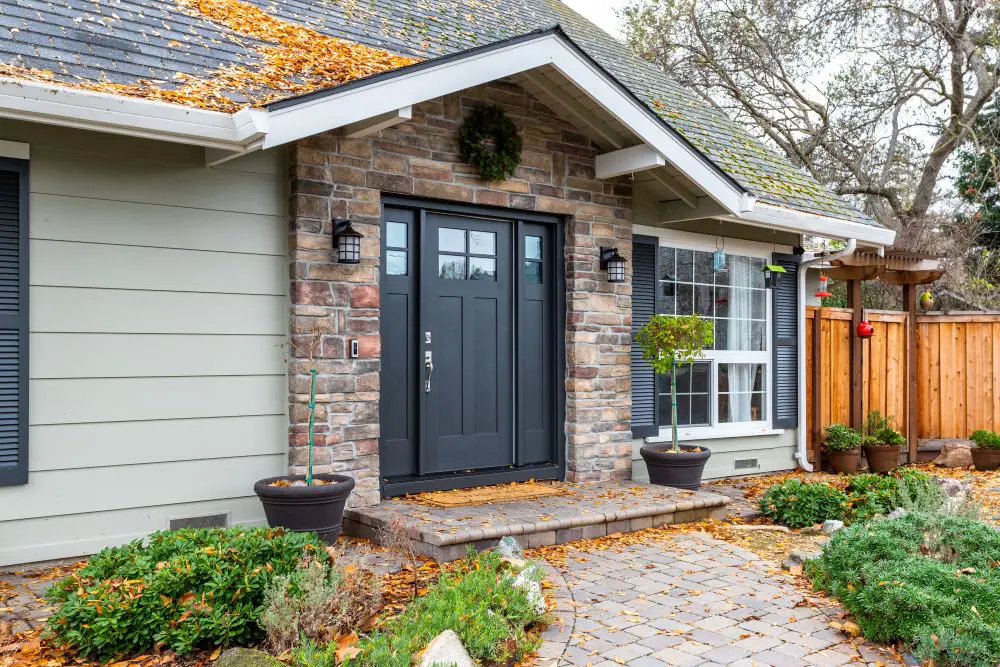 A welcoming home exterior with a defined entryway, updated front door, and landscaped walkway, boosting curb appeal and creating a strong first impression for potential buyers.
A welcoming home exterior with a defined entryway, updated front door, and landscaped walkway, boosting curb appeal and creating a strong first impression for potential buyers.We get a version of this call every year: someone's getting ready to list, their agent told them to "freshen things up," and they're not sure where to start or how much to spend. Sometimes they've already hired a stager. Sometimes they've already gotten a quote from somebody who wants to gut the kitchen. They're overwhelmed and on a deadline.
Our answer is always the same: slow down for one conversation, because the wrong pre-listing updates can cost you more than they make you. We've watched sellers spend $60,000 on a full kitchen remodel in a house that sold at a price point where it returned $30,000. We've also watched sellers spend $8,000 on paint, hardware, lighting, and LVP flooring and walk away with offers over asking. The amount of money matters less than the decision about where to put it.
Here's what forty years of working in East Bay and Rossmoor homes — including a lot of pre-listing work — has taught us about what buyers actually respond to, what's genuinely worth the investment, and what you can skip.
Worth It vs. Skip It: The Honest Version
The ROI percentages you'll find online are real but misleading — they're national averages, not East Bay numbers, and they don't account for your specific price point, your neighborhood, or the condition of your home relative to comparable listings. Here's a more honest framework based on what we've actually seen move the needle locally.
The Overspend Trap
The most common mistake we see in pre-listing remodels: spending money to match the nicest houses in a neighborhood rather than the houses you're actually competing with. If your home is priced at $900K in a neighborhood where most listings are $850K–$950K, you need to look like a $900K house — not a $1.2M house. Over-improving relative to your price point doesn't generate more offers; it generates the same offers with less money in your pocket.
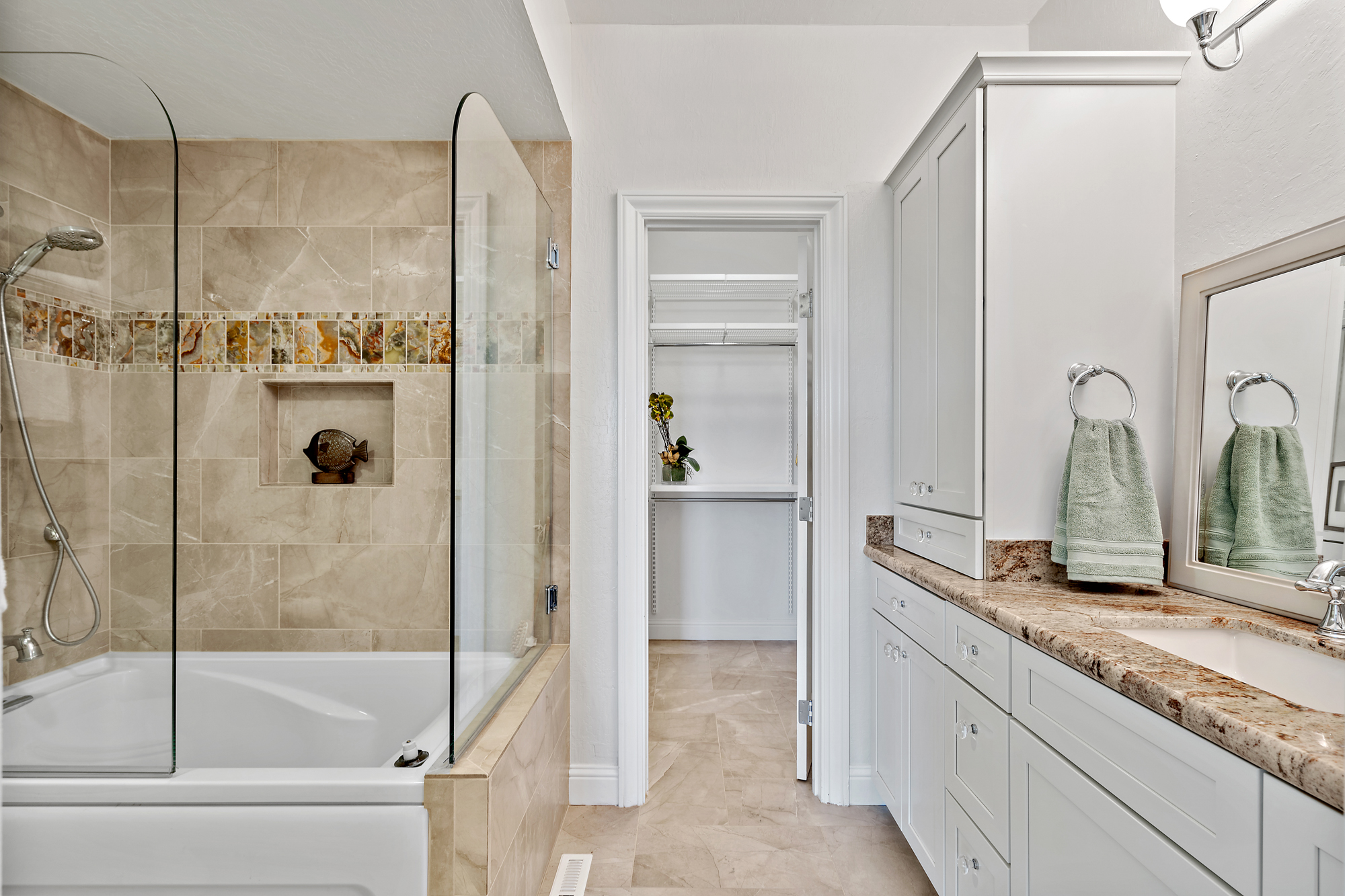 A bright, neutral bathroom with a tub-shower combo and ample storage, creating a clean and move-in-ready feel that appeals to a wide range of buyers.
The Projects That Consistently Move the Needle
"Buyers don't know what you spent. They know whether it looks current. A $12,000 kitchen refresh and a $60,000 kitchen remodel can photograph almost identically — and the listing price is the same either way."
Rossmoor Sellers: Read This Section
Pre-Listing Remodeling in Rossmoor Has Its Own Rules
Rossmoor is a 55+ active adult community with roughly 6,700 units and a sales market that operates differently from the broader East Bay. Buyers touring Rossmoor units are often comparing multiple units in the same complex on the same afternoon — which means what makes a unit stand out is narrower and more specific than in a typical single-family home market.
What Rossmoor buyers consistently respond to: a bathroom that feels spa-like and accessible (curbless shower, clean tile, updated fixtures), a kitchen that reads as current without being trendy, and flooring that's consistent throughout the unit. What they don't respond to: renovations that feel over-the-top for the building or that introduce finishes that clash with the architecture.
The Mutual approval process is also a real constraint on pre-listing timelines. Any permitted work — plumbing, electrical, flooring with adhesive installation — requires Mutual board approval before it can start, and most boards meet monthly. If you're planning to list in the spring, the pre-listing remodel conversation needs to happen in the fall. We've had sellers come to us six weeks before their listing date wanting work that needs eight weeks of approvals. Plan further ahead than you think you need to.
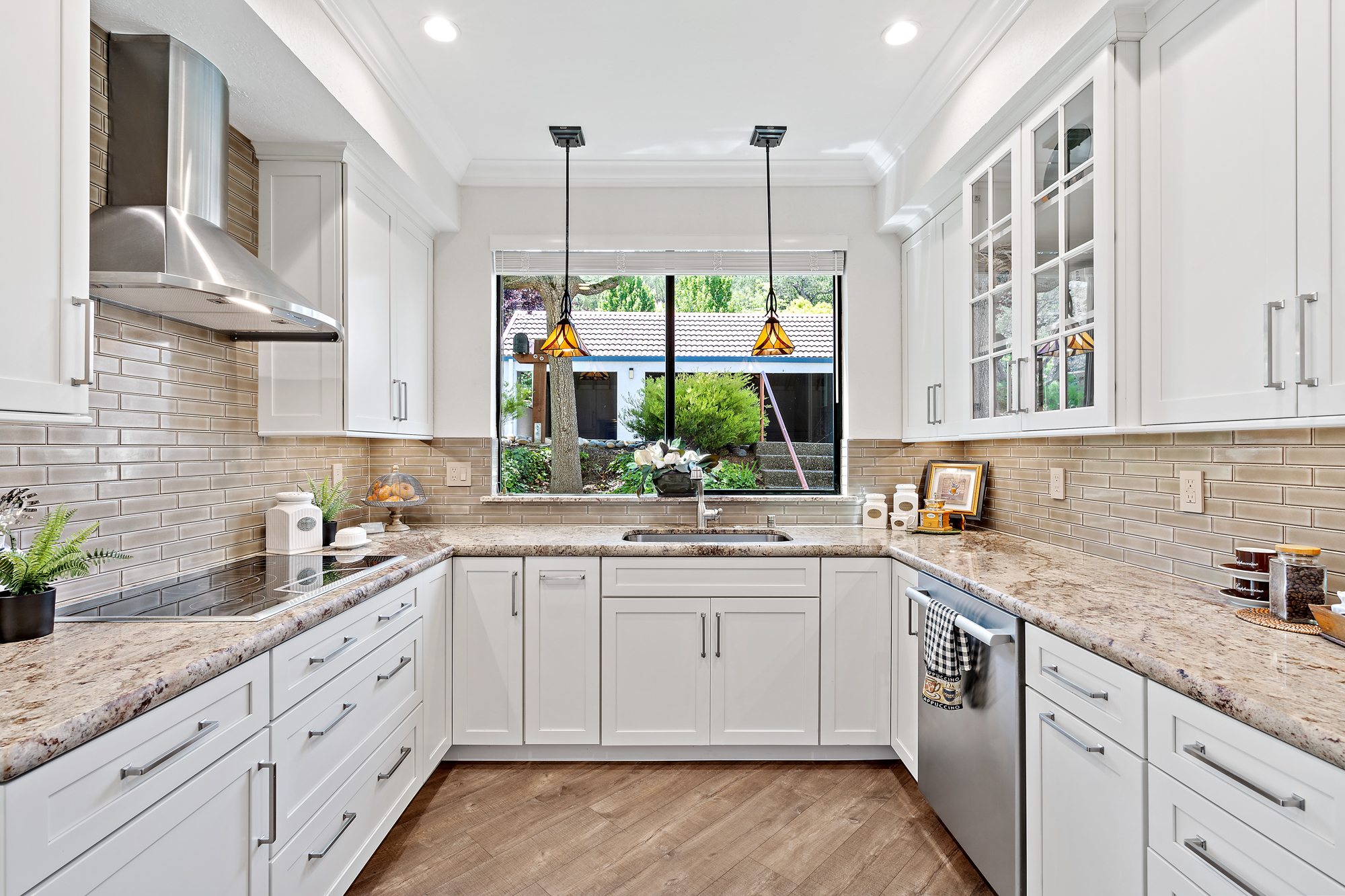 A light-filled kitchen with white cabinetry, warm countertops, and large windows, designed to create an inviting atmosphere that resonates with buyers and enhances everyday living.
How to Think About the Timeline
The biggest planning mistake sellers make: treating the listing date as the start of the process rather than the end of it. Here's how we'd structure a typical pre-listing project working backward from a target listing date.
8wk
Initial Consultation & Scope Decision8 Weeks Before Listing
Walk through the home with us before the agent. We can tell you what actually needs doing and what doesn't. Agents sometimes recommend more than necessary; they sometimes recommend less. A contractor's eye at this stage saves you from both mistakes.
6wk
Material Selection & Permit/Approval Filing6 Weeks Before Listing
Paint colors, flooring, hardware, fixtures — all decided and ordered. Rossmoor Mutual approval submitted if applicable. City permits pulled if required. Nothing waits until demo day.
4wk
Work Begins4 Weeks Before Listing
Flooring, paint, cabinetry updates, lighting, hardware. We sequence the work so the home is livable throughout — you don't vacate for four weeks. Staging and photography can be planned for the final week.
1wk
Punch List, Deep Clean, Photography1 Week Before Listing
Final walk-through with you. Any remaining items addressed. Professional deep clean. Staging goes in. Photography happens in a finished home — not a home where work is still happening in the background.
Candi's Take
The call I dread is from a seller who just got an accepted offer and is now wondering if they should have updated the kitchen before listing. Sometimes the answer is yes — they left money on the table. But more often, the math would have worked out about the same either way, and what they're really feeling is the anxiety of not having made a definitive decision while they had the chance.
My advice is always to have the conversation early — before you've talked yourself into a full remodel or out of any updates at all. Walk the house with someone whose only interest is what actually makes financial sense for you. Not a contractor who wants to sell you work. Not an agent who wants to list fast. Someone who will tell you honestly: here's what needs to happen, here's what it costs, here's what you'll get back. That's the conversation I try to have with every pre-listing client.
— Candi Toupin, Toupin Construction
Questions We Hear From Sellers
Should I talk to a contractor or a real estate agent first?
Both, but us first — and we'll say that knowing it sounds self-serving, so let us explain. Agents are excellent at pricing and marketing strategy. What they're not always equipped to assess is which updates are physically feasible in your timeline and budget, what they'll actually cost, and whether the condition issues they're flagging are $2,000 problems or $20,000 problems. A contractor walks through the home with different eyes. In our experience, the sellers who get the best outcome are the ones who have both conversations before committing to anything.
How do I know what's worth fixing vs. what to leave for the buyer?
The general rule: fix anything that shows in photos or that a buyer will flag on inspection as a negotiating point. Leave alone anything that's a personal preference issue that a buyer will redo anyway. A dated but functional kitchen that's clean and cohesive? Leave it. A kitchen with damaged cabinet doors and a broken drawer? Fix it — because the buyer's inspector will note it and they'll ask for a credit that costs you more than the repair. The goal is removing negotiating leverage from buyers, not impressing them with renovation spend.
What's the minimum we should do before listing?
At absolute minimum: paint, hardware, deep clean, and fresh caulk in the bathrooms. If the flooring is badly dated or mismatched between rooms, add LVP. If the lighting fixtures are original to the house and look it, swap the most visible ones. That package addresses the things that read poorly in listing photos — which is where most buyers form their first impression of a home before they ever step through the door. Everything else is additive.
How do I avoid over-improving before listing?
Anchor every decision to the comparable sales in your price range, not to your dream version of the house. Look at the three most recent comparable sales in your neighborhood that sold at or above asking. What finishes did they have? What did they not have? Your goal is to match that bar — not exceed it. If the comps all have updated kitchens and yours doesn't, a kitchen refresh is worth discussing. If the comps all sold with original kitchens, a full kitchen remodel is not going to add proportional value.
Can you do pre-listing work in a Rossmoor unit on a tight timeline?
Depends on what "tight" means. Paint, hardware, floating LVP flooring, and lighting fixtures can be done in two to three weeks without Mutual approval in most cases — because they don't involve plumbing, electrical, or structural changes. If you want to do anything beyond that — vanity replacement, bathroom tile, any permitted work — the Mutual approval process needs to be factored in, and most boards meet monthly. If you're planning to list in 90 days, call us now. If you're planning to list in 30 days, call us and we'll tell you honestly what's actually doable.
Thinking about listing? Talk to us before you commit to anything.
We'll walk through your home, tell you what actually needs doing, and give you an honest picture of what it'll cost and what you'll get back. No pressure — just a real conversation before a big decision.
Schedule a Free Walkthrough See Our WorkCall us: 925-937-4200 · CA Lic #626819
Toupin Construction
Ready to start your remodel?
Whether you're dreaming of a new kitchen, a spa-worthy bathroom, or a whole-home transformation — we’d love to hear about your project. Reach out and let's talk.
‹ Back
Comments