


By using our website, you agree to the use of cookies as described in our Cookie Policy
Blog
How to Choose the Right Tile for Heavy Traffic Areas
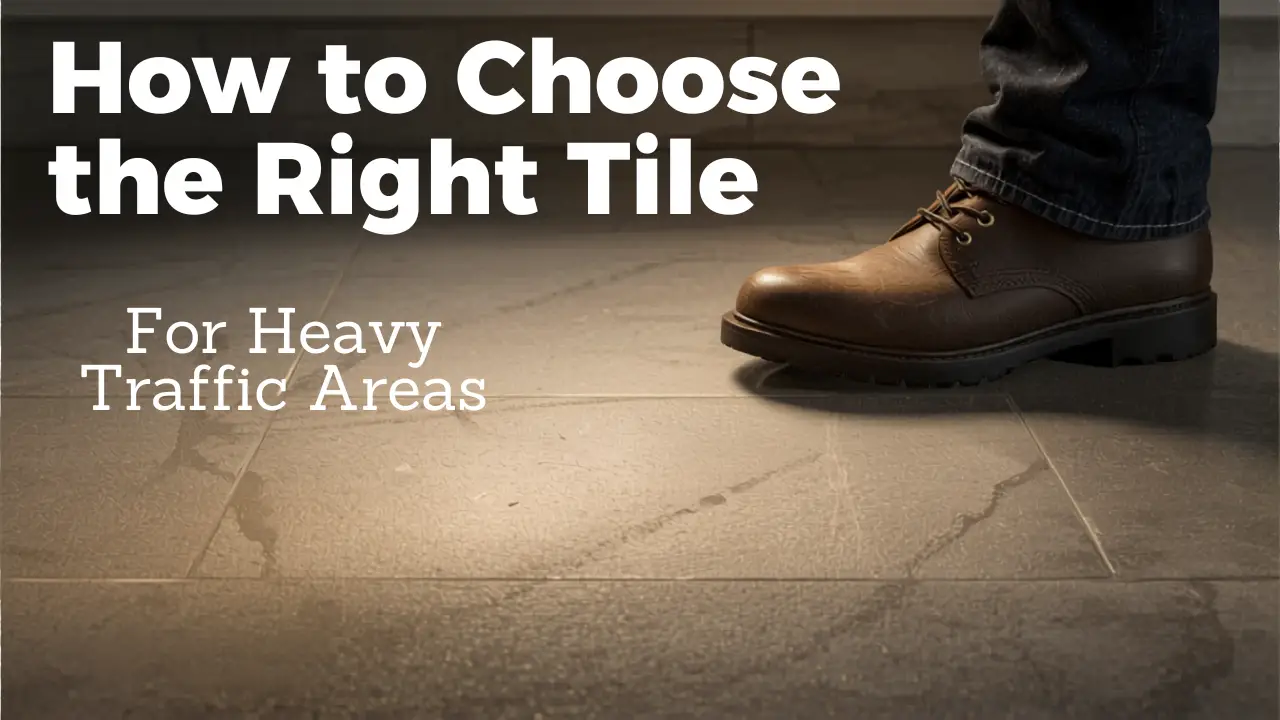
A tile that looks perfect in a showroom can show wear, trap stains, or become a slip hazard in a busy entryway within a year.
Choosing tile for high-traffic areas isn't about sacrificing style for durability. It's about knowing which materials, ratings, and finishes hold up — and which ones don't.
Key Takeaways
- Porcelain is the top pick for heavy traffic — dense, scratch-resistant, and moisture-tight
- Look for PEI 4 or 5 for kitchens, entryways, and hallways that see daily wear
- Matte or textured finishes for traction · wet DCOF of 0.42+ for slip resistance
- Medium-size tiles handle real-world conditions better than large format in most homes
- Natural stone works beautifully with consistent sealing and maintenance
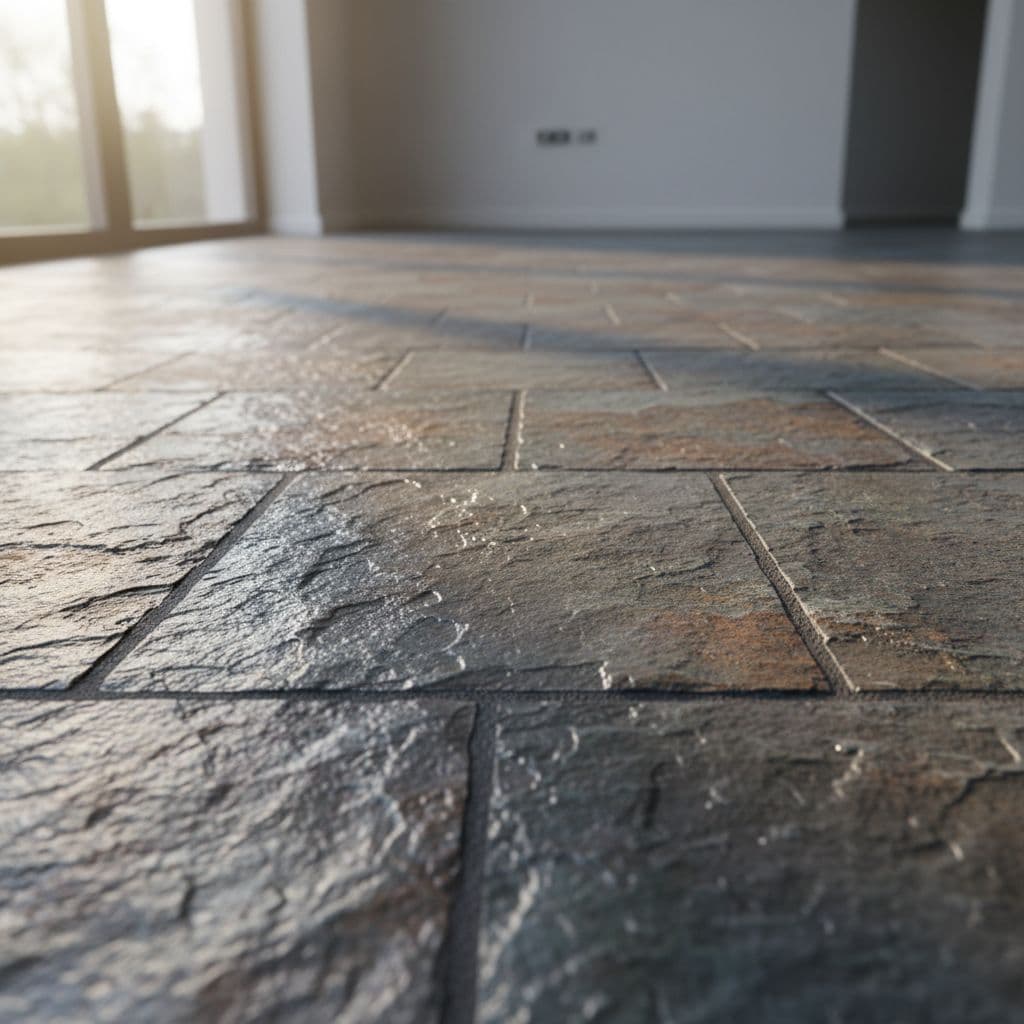 Elegant flowing fabric over a tiled surface, representing durability and style in flooring designed for high-traffic areas in modern homes.
1
Choose the Right Material
Top Pick
Porcelain
Dense, hard, and nearly impervious. Water absorption at or below 0.5% (per ANSI A137.1) means moisture, stains, and grime stay on the surface. Scratch-resistant. Available in every style — wood-look, marble-look, concrete, and more. The right answer for kitchens, entryways, hallways, and mudrooms.
Ceramic
Lighter and more affordable than porcelain. Great for bathroom walls, backsplashes, and lower-traffic spaces. Easier to cut — practical for accent work. Not the best long-term choice for a busy entryway floor.
Natural Stone (Granite, Slate, Travertine)
Adds character and warmth that porcelain can't fully replicate. Performs well in heavy traffic when sealed and maintained on schedule. If consistent maintenance isn't realistic, porcelain look-alikes deliver a similar aesthetic with significantly less upkeep.
2
Understand PEI Ratings
The Porcelain Enamel Institute (PEI) rating measures how well a tile surface withstands foot traffic. One of the most useful — and most overlooked — specs when selecting floor tile.
| PEI Rating | Use | Example Location |
|---|---|---|
| 1–2 | Walls only | Decorative backsplash, accent tile |
| 3 | Light residential traffic | Bedroom, guest bathroom |
| 4 | Moderate to heavy residential | Kitchen, hallway, family bathroom |
| 5 | Heavy residential / commercial | Entryway, mudroom, high-traffic zones |
Toupin Guideline
For any high-traffic residential area: PEI 4 minimum. For entryways and mudrooms that see daily wear: PEI 5 is the right call.
3
Finish and Slip Resistance
Finish selection on floor tile is a safety decision, not just an aesthetic one. A polished, high-gloss tile looks striking in a catalog and becomes a hazard when wet.
✓ Matte & Textured
Grip underfoot. Right for entryways, mudrooms, and any floor that gets wet.
✗ Polished & Glossy
Best for low-traffic areas or walls. A slip risk on wet floors.
DCOF — What It Means
Dynamic Coefficient of Friction measures slip resistance. For any tile exposed to moisture, look for a wet DCOF of0.42 or higherper ANSI A326.3. This is the threshold that meaningfully reduces slip risk.
4
Size and Layout
Large-format tile minimizes grout lines and looks seamless — both real advantages. It also demands a flatter subfloor. Irregularities that would go unnoticed under smaller tiles create stress points under large-format installations that can crack over time.
Medium-size tiles (12x24 or 16x16) handle natural subfloor movement more forgivingly. More grout joints also improve slip resistance by creating micro-texture underfoot.
Rossmoor CondosMedium-format porcelain in hallways and entry areas is our consistent recommendation. It balances durability, comfort, and HOA noise considerations relevant to multi-unit buildings.
5
Style Doesn't Have to Suffer
Current porcelain manufacturing produces convincing replicas of reclaimed hardwood, Calacatta marble, raw concrete, and natural slate. For most applications, the visual difference in a finished room is negligible — and the performance difference is significant.
Neutral, durable floors that do their job without demanding attention — paired with a bolder backsplash or accent wall. The floor handles the traffic. The backsplash handles the personality.
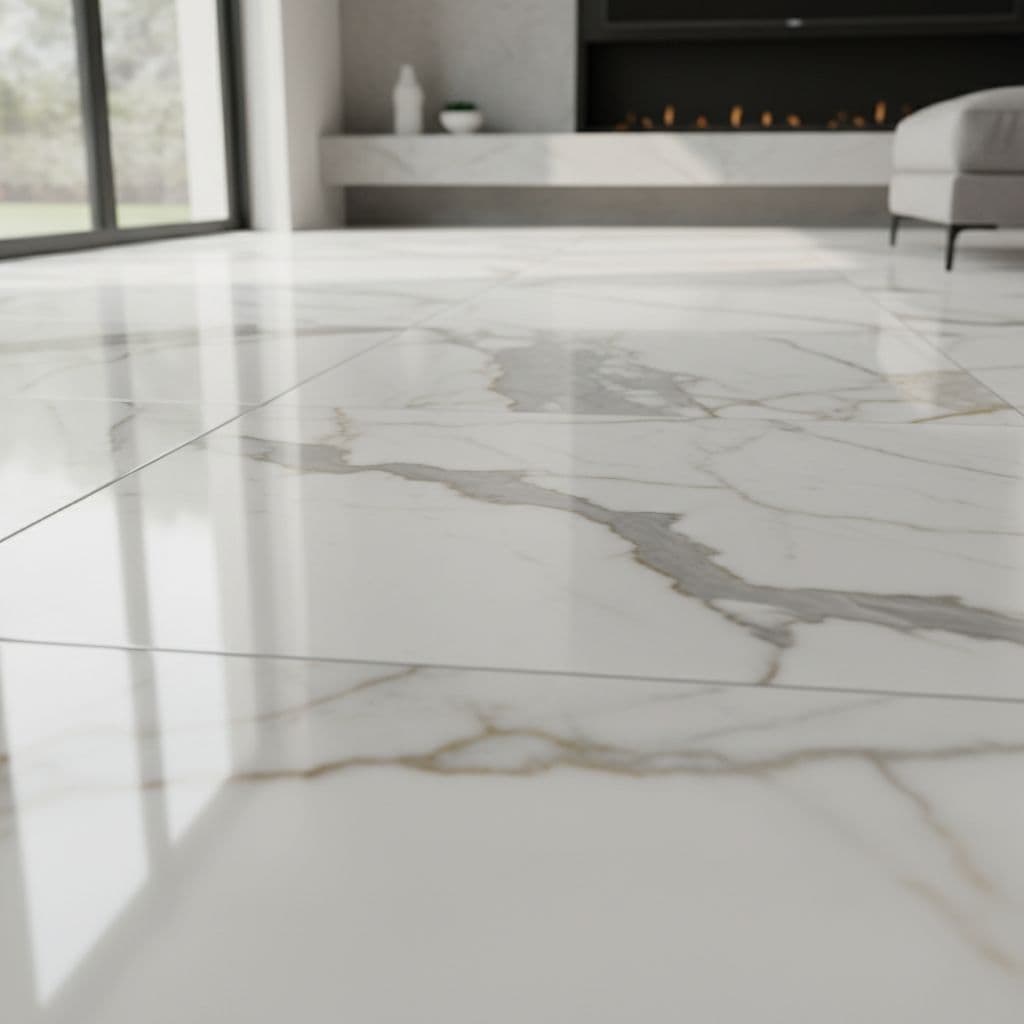 Close-up of polished porcelain tile flooring in a modern living room, showcasing durability, low maintenance, and suitability for high-traffic spaces.
The Short Version
Material
Porcelain for most applications. Natural stone where it will be maintained properly.
PEI Rating
4 minimum. 5 for entryways and mudrooms.
Finish
Matte or textured on any floor that gets wet. Wet DCOF 0.42+.
Size
Medium format handles real-world conditions better. Large format requires precision.
Ready to Choose the Right Tile?
We've installed tile in hundreds of East Bay and Rossmoor homes. We know what holds up — and we'll make sure your floors look as good in year ten as they do on installation day.
Contact Us Today →925-937-4200 · toupinconstruction.com
Frequently Asked Questions
What tile material holds up best in heavy-traffic areas?
Porcelain — dense, low-absorption, and scratch-resistant. The right choice for kitchens, hallways, entryways, and mudrooms.
What PEI rating should I look for?
PEI 4 for kitchens and hallways with regular residential traffic. PEI 5 for entryways, mudrooms, and any area that sees heavy daily use.
Which finishes are safest for floor tile?
Matte or textured finishes with a wet DCOF of 0.42 or higher. Avoid polished finishes on any floor that will get wet.
Can large-format tiles work in high-traffic spaces?
Yes — with a properly prepared, flat subfloor and expert installation. In most residential applications, medium-format tile handles real-world conditions more forgivingly.
Can natural stone handle heavy traffic?
Granite and slate both perform well when sealed regularly. Without consistent maintenance, natural stone is more vulnerable to staining and surface wear than porcelain.

Toupin Construction
Ready to start your remodel?
Whether you're dreaming of a new kitchen, a spa-worthy bathroom, or a whole-home transformation — we’d love to hear about your project. Reach out and let's talk.
‹ Back
Comments