


We are Covid compliant according to OSHA guidelines.

Blog

Surviving The Stress of a Remodel

Published October 2nd, 2025 by Candi

Surviving The Stress of a Home Remodel 

We've seen every fear up close. Here's what's actually worth worrying about — and what isn't.

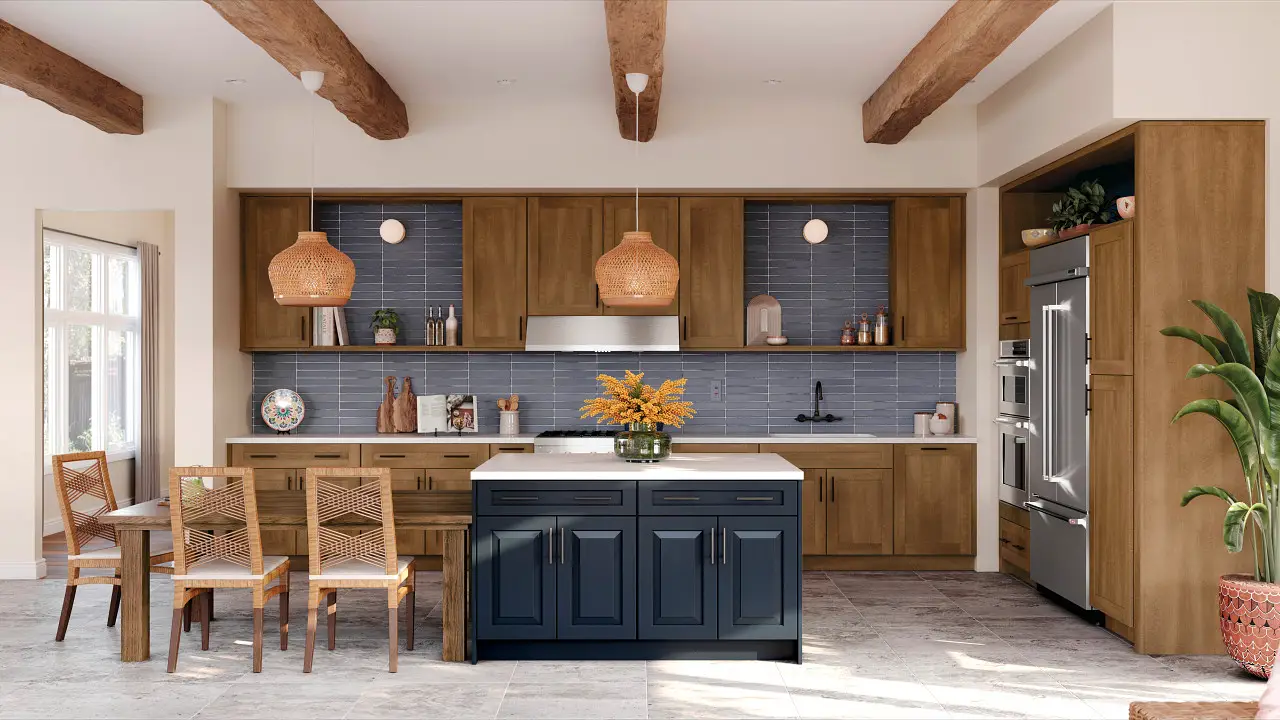
Warm wood kitchen with navy island, woven pendant lights, exposed beams, and gray tile backsplash 

A warm, modern kitchen featuring KraftMaid-style wood cabinetry, a navy blue island with paneled detailing, woven pendant lighting, exposed ceiling beams, and a gray tile backsplash. The space blends natural textures with clean lines for a relaxed, upscale feel.

At the end of a Rossmoor kitchen remodel a while back, our client surprised the crew with lunch. Not a "hey here's some sandwiches" situation — a whole spread, set up in the living room, for everyone on the job. Our guys were caught completely off guard. I think a few of them were genuinely a little emotional about it.

I think about that afternoon a lot when people ask me what remodeling is really like. Because the story most people have in their heads — before they've done it — is the stressful version. The contractor who disappears. The budget that explodes. The kitchen that's out of commission for six months. Those stories exist. But so does that lunch.

The difference between those two outcomes isn't luck. It's mostly about knowing what to expect, having a team that communicates, and understanding which worries deserve your energy and which ones you can let go. After more than 40 years of remodeling in the East Bay, I've heard every fear. Here's the honest version of what's actually worth thinking about.

The Worries We Hear Most

01Budget Surprises

This is the number-one fear, and it's a legitimate one. Not because responsible contractors wildly over-run budgets — they don't — but because homes genuinely contain surprises, especially East Bay homes built in the '60s and '70s. Open a wall in Rossmoor and you might find outdated knob-and-tube wiring that California code requires you to replace. Pull up a subfloor and find dry rot that spread further than the surface suggested. These aren't contractor failures. They're just houses.

The distinction that matters: surprises are different from vague estimates. A detailed scope of work — one that spells out exactly what's included, what's excluded, and what the known unknowns are — is what separates a trustworthy bid from one that looks great until it doesn't. We talk through likely discoveries before demo day, not after. And when something unexpected comes up, we don't just call with a number. We explain what we found, what the options are, and what we'd do if it were our own house.

How We Handle It
  • Detailed written proposals that name what's included and what isn't
  • Pre-demo conversation about likely discoveries in the home's age range and type
  • Contingency guidance — how much buffer to build in based on project scope
  • Change order explanations in plain language, with options when we can offer them
Know the Term
Change Order

A change order is a formal written document that modifies the original contract — adding work, removing work, or adjusting cost. It should always be in writing, signed by both parties, before any new work begins. If a contractor asks you to approve something verbally or after the fact, that's a red flag. Every change order we issue includes what changed, why, and what it costs.

02Delays & Timeline

Nobody starts a remodel expecting to be without a kitchen for four months. And while some delays are genuinely outside anyone's control — permit offices have their own timelines, backordered fixtures happen — a lot of project drag comes from poor planning upstream. Materials that weren't ordered early enough. Subs who weren't scheduled in sequence. Decisions that should have been made in design getting made in the middle of demo.

The best thing a homeowner can do is make selections early. Not when the contractor asks — before that. Countertop lead times, cabinet delivery windows, specialty tile that ships from overseas — these aren't afterthoughts. They're schedule anchors. When those pieces are locked in before demo begins, the project can move in sequence. When they're not, everyone waits.

How We Handle It
  • Realistic timelines set before contracts are signed — not optimistic ones
  • Material selection deadlines built into the project schedule
  • Weekly progress updates so you always know where things stand
  • Local supplier relationships that help us navigate lead time issues before they become delays
Typical East Bay Project Timelines (2025)
Kitchen remodel (mid-range)8–12 weeks from demo to completion, assuming selections are finalized before start
Full kitchen with layout changes12–16 weeks; structural work, permit review, and custom cabinetry add time
Primary bathroom remodel4–8 weeks depending on tile complexity, fixture lead times, and permit requirements
Permit approval (Walnut Creek/Contra Costa)2–6 weeks depending on scope; Rossmoor Mutual review runs parallel and varies by Mutual
03Living Through Construction

This one is real. Demo is loud. Construction is dusty. Losing access to your kitchen or your only bathroom is genuinely disruptive. We're not going to tell you it's easy — but we will tell you it's manageable, and how it's managed is almost entirely within the contractor's control.

Dust barriers — what we call temporary containment walls — are basic practice on any interior job we run. We use air scrubbers on dusty demo days: these are industrial HEPA filtration units that pull fine particles out of the air before they settle on everything in your house. Floor protection goes down before any work starts and comes up clean at the end of each day. For kitchen remodels, we help clients set up a temporary cooking station before demo begins — a microwave, a hot plate, a coffee maker somewhere livable. It sounds small but it makes a real difference in how the weeks feel.

How We Handle It
  • Dust barriers seal off the work zone from living areas
  • Air scrubbers running on heavy demo days
  • Floor and surface protection from day one
  • Temporary kitchen setup planned before demo begins
  • Daily site cleanup — your house doesn't look like a job site at 5 PM
Know the Term
Air Scrubber

An air scrubber (also called a negative air machine) is an industrial filtration unit that draws air in, passes it through HEPA filters to capture fine dust and debris, and exhausts cleaner air. On demo days — especially tile removal or drywall work — these run continuously inside the work zone. The goal is to keep fine particulate matter from migrating through the house. Without one, that dust settles everywhere, including inside HVAC vents, and you're finding it for months.

04Communication & Feeling Left in the Dark

Of everything on this list, communication breakdowns cause the most lasting damage — not to the project, but to the relationship. A homeowner who doesn't know what's happening on their own job doesn't get stressed about the delay or the discovery or the schedule change. They get stressed about not knowing. That anxiety compounds fast.

Our standard is weekly updates, minimum. Not a form email — an actual summary of where we are, what's next, and anything the homeowner needs to know or decide. You'll also have a direct line to your project lead — not a general office number that routes to voicemail. If something comes up that changes the plan, you hear about it from us before you see it on the job site. That's just how it should work.

How We Handle It
  • Weekly project updates with photos — what happened, what's next
  • Direct contact for your project lead, not a catch-all number
  • Proactive notification before any schedule changes or discoveries
  • No surprises policy: if we know something, you know something

"A homeowner who doesn't know what's happening on their own job doesn't get stressed about the delay. They get stressed about not knowing. That anxiety compounds fast."

05Decision Fatigue

Cabinets, countertops, tile, grout color, faucet finish, hardware — the decisions in a kitchen or bathroom remodel stack up fast. And most people don't realize how many there are until they're in the middle of it, trying to pick between two shades of grout white at 9 PM after a long week at work.

The antidote isn't fewer decisions — it's sequencing them correctly. Some choices have to happen early because they drive everything else (cabinet lead times, countertop fabrication). Others can wait. When decisions get made in the wrong order, or all at once, that's when people burn out and start making choices they regret. We walk clients through selections in the right sequence, with enough context to actually decide — not just pick something to get it over with. If you want to see how our process is structured before you've even started, our process page lays it out step by step.

How We Handle It
  • Selections guided in logical sequence — anchors first, details after
  • Design consultation to narrow options before showroom visits
  • Clear deadlines for each decision so nothing blocks the schedule
  • Honest opinions when asked — we'll tell you if two options are genuinely equal or if one is the better call
06Quality & Workmanship

"What if it doesn't turn out the way I pictured?" is one of the most common things we hear — and it almost always comes from homeowners who've either had a bad experience before or who've watched enough renovation TV to be rightfully skeptical of how the finished product compares to the vision.

Here's what I can tell you honestly: craftsmanship shows. Tile laid by someone who cares about grout lines looks different than tile laid by someone who doesn't. Cabinets installed level and plumb feel different when you open them. Paint cut in by a steady hand reads differently than paint applied fast. These aren't dramatic differences in photos — but you live with them every day, and you feel them. Our crew takes that seriously. So do our repeat clients in Walnut Creek, Orinda, Lafayette, Danville, and Rossmoor, who've been coming back to us for decades. You can read what they say at our reviews page, or see the work itself in our portfolio.

How We Handle It
  • Consistent crew — same people on your job, not a different face every week
  • In-progress walkthroughs so you can flag anything before it's finished
  • Final walkthrough with punchlist before we consider a job complete
  • We stand behind our work — if something isn't right, we make it right
07Permits & Inspections

California building permits have a reputation for being slow and complicated. That reputation isn't entirely unfair. But permits exist for good reason — they're the mechanism that ensures structural changes, electrical work, and plumbing meet code, which protects both your safety and your ability to sell the house down the road. Unpermitted work is a real liability at resale, and it tends to come out. Buyers in the East Bay are savvy.

In Rossmoor, there's a layer on top of the standard permitting process: Mutual board approval for remodeling work. The Mutual review and the city permit run on parallel tracks and both need to be in place before work starts. We manage both. Homeowners don't need to navigate either process on their own — we file, we schedule inspections, and we keep the project moving in compliance with both sets of requirements. For a full breakdown of the Rossmoor approval process, see our Rossmoor remodeling page.

How We Handle It
  • We file all permit applications and manage inspection scheduling
  • Familiar with Walnut Creek, Contra Costa County, and Rossmoor Mutual requirements
  • Permit timelines built into the project schedule from day one
  • All work done to code — no shortcuts that create problems at resale

Neutral primary bedroom with blue accents, large window, and natural light

A staged primary bedroom with neutral tones, layered bedding, blue accent pillows, wood nightstand, and a large window showcasing natural light and scenic outdoor views. The space feels calm, open, and inviting.

The Part Nobody Talks About

Most remodel horror stories I've heard have one thing in common: the homeowner had a bad feeling early and didn't say anything. About the communication. About a decision they weren't sure about. About a change they didn't fully understand. They let it ride because they didn't want to seem difficult, or because they assumed it would get resolved, and it didn't.

The relationship between a homeowner and their contractor should feel like a real conversation — not a transaction you're hoping goes well. You should be able to ask questions, raise concerns, and push back without feeling like you're making things difficult. If you can't do that with the contractor you've hired, that's information.

A remodel should be exciting. It should feel like something good is happening to your home. We've been doing this long enough to know that the outcome — the finished kitchen, the bathroom that finally works the way it should, the space that matches what you pictured — is worth the process. The stress is real, but it doesn't have to run the show.

If you want to understand how we structure a project from first conversation to final walkthrough, our process page is the best place to start. And if you want to see the full scope of what kitchen remodeling in the East Bay actually involves, our kitchen remodeling guide covers it in depth.


Have Questions Before You Start? Good.

The best remodel conversations happen before anyone picks up a tool. If you're thinking about a project — even if you're still in the "is this even possible?" stage — we're happy to talk it through honestly. No pressure, no sales pitch.

Start the Conversation

Call us at 925-937-4200  ·  CA Lic #626819

icons

Toupin Construction

Ready to start your remodel?


‹ Back