


By using our website, you agree to the use of cookies as described in our Cookie Policy
Blog
The Hidden Cost of Cheap Remodeling Materials

Remodeling Tips · Deep Dive
The Real Price of Cheap Materials
Saving $150 on a faucet sounds smart — right up until it leaks into your cabinet for three months before you notice
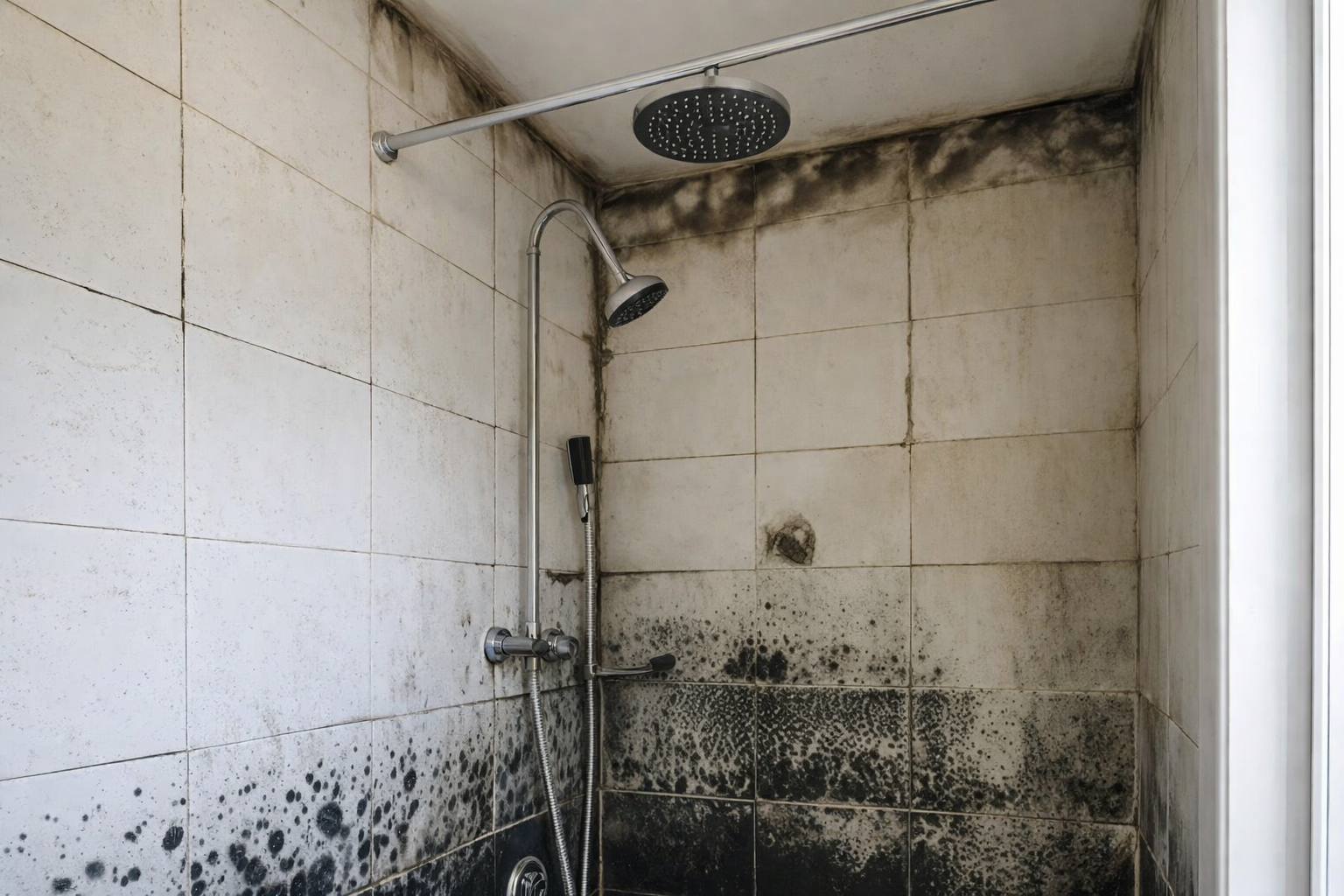 This shower shows severe mold growth due to prolonged moisture exposure and poor ventilation. The grout and sealant have likely failed, allowing water to seep in and create a breeding ground for mold. This is both a structural and health hazard, often caused by inadequate waterproofing and lack of proper airflow.
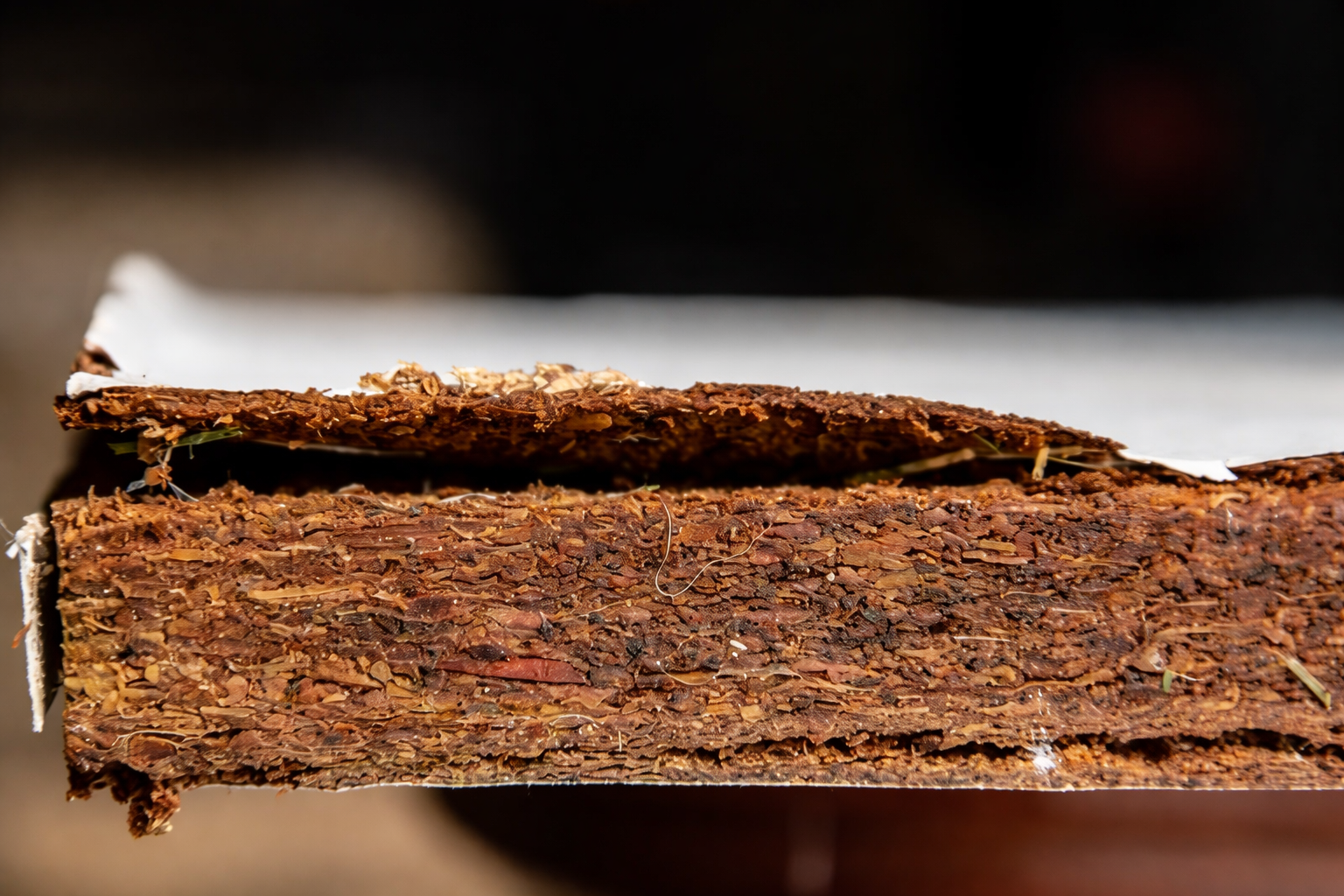
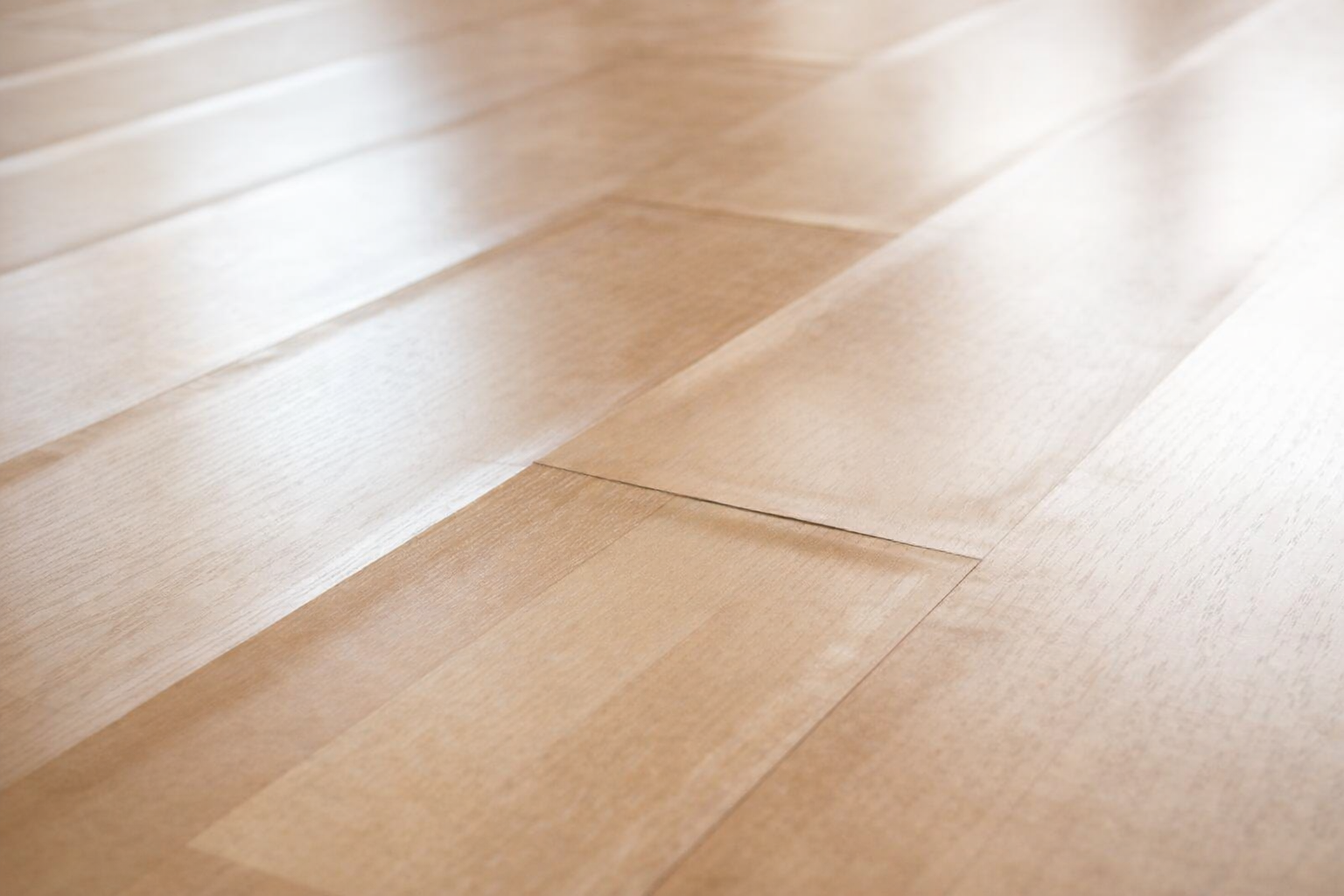
We got a call a few years ago from a homeowner in Lafayette who'd had her kitchen remodeled by another contractor two years prior. The cabinets were already warping. The laminate floors had buckled near the dishwasher. One of the faucets had been leaking — slowly, invisibly — long enough to damage the cabinet box beneath it. The whole thing needed to come out.
She hadn't done anything wrong. She'd hired someone, paid for a remodel, and trusted that the result would hold up. It didn't — because the materials weren't built to hold up. And now she was paying for the remodel twice: once when she thought she was saving money, and again to fix what failed.
We see this more than we'd like to. So here's the honest contractor's breakdown of where cheap materials actually cost you — and the few places where it's genuinely fine to spend less.
The Core Problem
Labor Is the Expensive Part. Not Materials.
Most homeowners assume materials are the big cost in a remodel. They're not. Labor is. And when cheap materials fail, you're not just buying a replacement product — you're paying for the demo, the disposal, the reinstall, and the repair of anything that got damaged in between.
The "Savings"
$89
Builder-grade faucet vs. a quality mid-range fixture
The Real Cost When It Fails
$2,400+
New faucet + plumber + cabinet repair + possible flooring damage from the slow leak you didn't catch for six weeks
That math plays out across cabinets, tile, flooring, fixtures, paint — everything. The material cost is the cheapest line item in any remodel. It's the one place where spending a little more almost always pays for itself.
Material #1
Material #2
Material #3
Material #4
The Good News
Where It's Actually Fine to Spend Less
We're not telling you to spend more on everything. There are genuine places to save money in a remodel — specifically on things that are easy to replace later without touching walls, floors, or plumbing. Here's the honest breakdown:
| Item | Don't Cheap Out | Fine to Save Here |
|---|---|---|
| Cabinets | The boxes, drawer slides, and hinges | Door style — simpler profiles cost less and look great |
| Tile | Any tile that's installed — you're living with it for 20 years | Decorative accents or feature tiles — small quantities, high impact |
| Flooring | The product and the underlayment | Style/color preference — great LVP exists at many price points |
| Plumbing fixtures | Faucets, valves, shower systems — anything with moving parts near water | Towel bars, toilet paper holders, accessories — cosmetic swaps only |
| Paint | The paint itself — the upgrade is worth $40 | Finish color — expensive colors aren't better colors |
| Light fixtures | Anything hardwired into the ceiling or wall | Plug-in lamps, decorative accents — easy to swap anytime |
| Cabinet hardware | — | Yes, save here — pulls and knobs are one of the easiest upgrades to do later |
The pattern: save on things you can swap without a contractor. Spend on anything installed behind walls, under floors, or in places that require demo to access. That's the rule that holds across almost every remodel we've done.
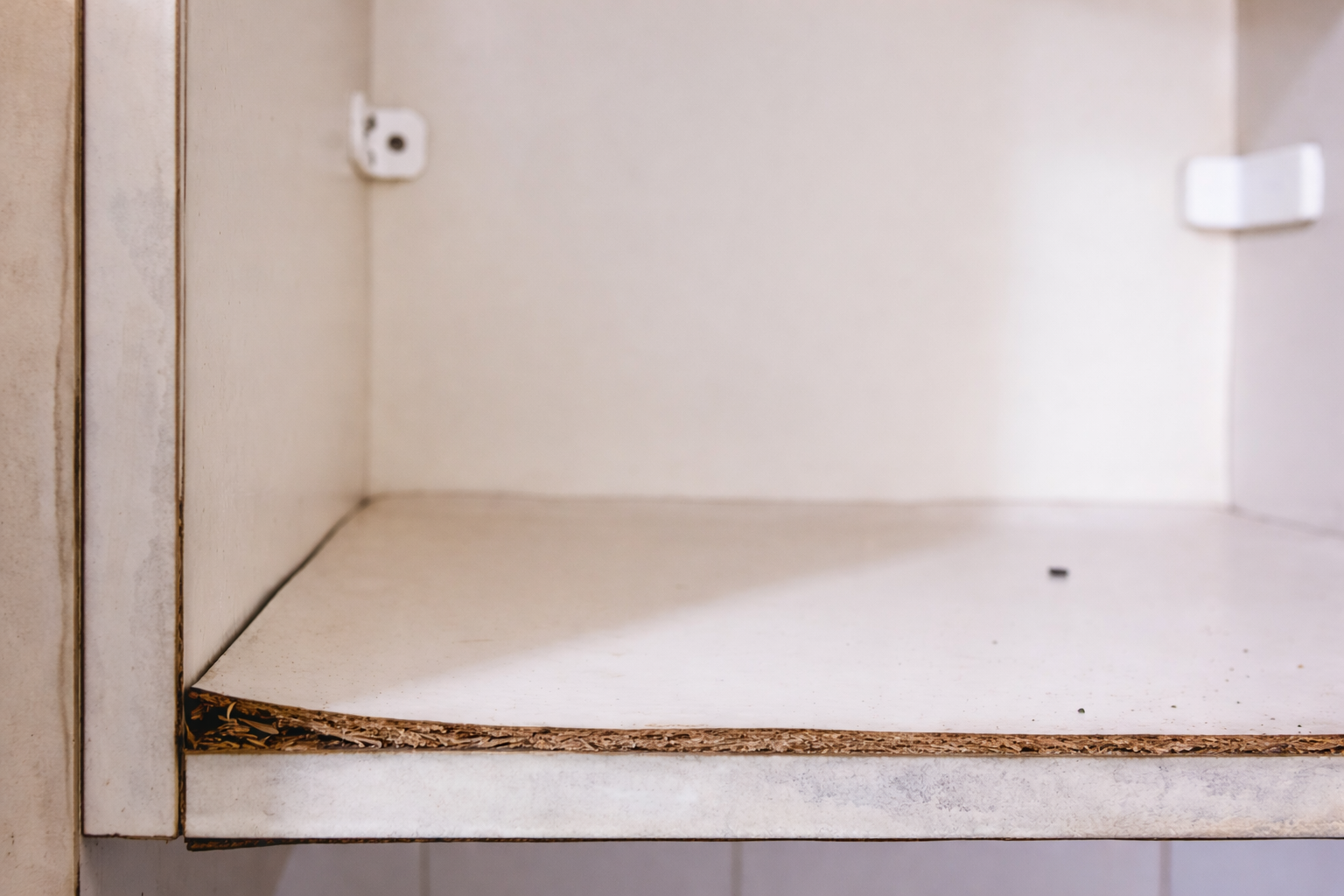 This cabinet base shows classic signs of water damage—peeling laminate and a swollen particle board core. Likely caused by leaks or spills, the material has absorbed moisture and degraded. This highlights why particle board is a poor choice for areas prone to water exposure, like kitchens or bathrooms.
Common Questions
Things We Get Asked All the Time
How do I tell if a product is actually quality or just marketed that way?
For cabinets: ask what the box is made of. "Plywood construction" is a specific, verifiable claim. For tile: hold it up — does it feel uniform? Do multiple tiles from the same box feel consistent? For fixtures: look for full brass construction, ceramic disc cartridges, and a real warranty (5+ years minimum). Unknown brands with suspiciously low prices and no warranty information are a red flag regardless of how good they look in the photo.
If I'm on a tight budget, what's the priority order?
Protect the most expensive things to fix first. Water damage is the costliest — so plumbing fixtures and anything near a moisture source (cabinets under sinks, bathroom tile, shower valves) get the quality budget. Flooring is second, because it's expensive to replace. Paint is cheap to upgrade — just do it. The cosmetic stuff — hardware, light fixtures, accessories — that's where you make up the difference.
Does material quality affect home value?
Yes, and buyers notice more than sellers expect. Warped cabinet doors, lifting laminate, grout that's cracked, a faucet that wobbles when you touch it — these things read as "cut corners" to a buyer or inspector, whether or not they can articulate exactly why. A remodel done with quality materials telegraphs differently than one that wasn't. It's not always possible to price it precisely, but it shows.
Are big-box store materials always bad?
No. Home Depot and Lowe's carry genuine quality products alongside the budget options — the tile selection, for example, includes some very good porcelain at fair prices. The issue is that the same store also carries the stuff that won't hold up, and it's not always obvious which is which. We're happy to help homeowners evaluate specific products before they buy.
Want to know what's worth spending on in your remodel?
We're happy to walk through your material selections before anything goes on order. No obligation — just an honest conversation about what holds up and what doesn't.
Get a Free Quote Call 925-937-4200
Toupin Construction
Ready to start your remodel?
Whether you're dreaming of a new kitchen, a spa-worthy bathroom, or a whole-home transformation — we’d love to hear about your project. Reach out and let's talk.
‹ Back
Comments