

By using our website, you agree to the use of cookies as described in our Cookie Policy
Blog
Home Remodeling 101: What East Bay Homeowners Need to Know Before They Start

I've watched a lot of remodels go sideways — not because the contractor was bad or the homeowner didn't care, but because nobody sat down and had the honest conversation first. This is that conversation.
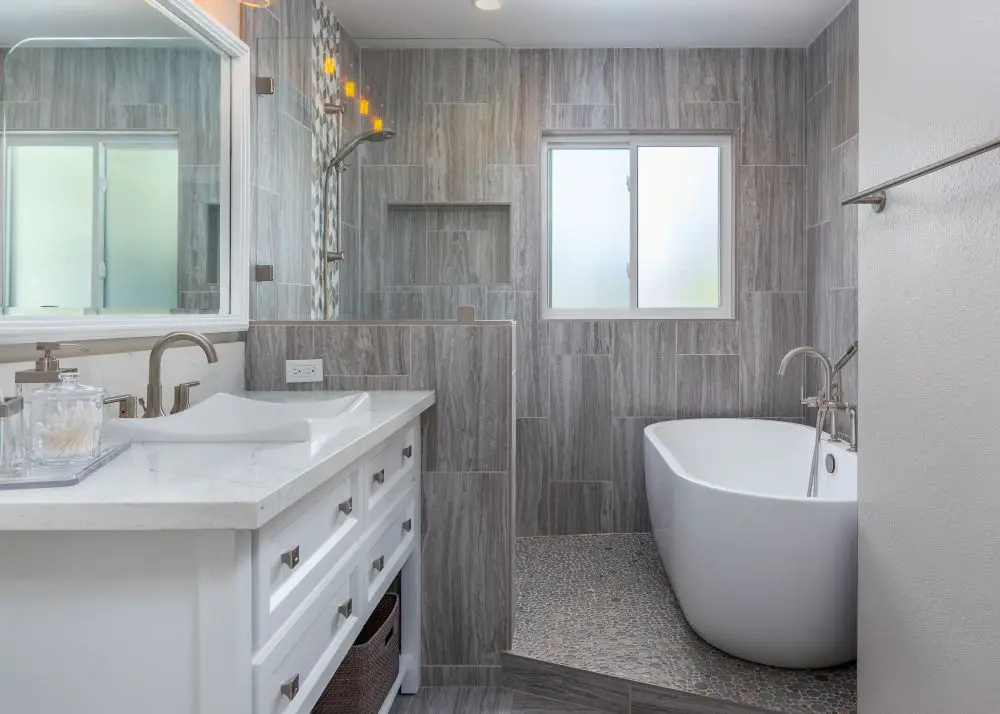
A modern bathroom remodel featuring a custom walk-in shower with gray large-format tile, a built-in niche, and a glass partition. The design is paired with a freestanding soaking tub and pebble tile flooring, creating a cohesive, spa-like layout that highlights the flexibility and elevated design of a custom shower system.
We've been doing this for over 40 years in the East Bay. Walnut Creek, Rossmoor, Lafayette, Danville, Orinda — we know these homes. We know what's behind the walls, what the permit offices want, and what the costs actually look like here versus what you'll read on some national average website. So let me give you the real version.
Whether you're planning a full kitchen gut, a bathroom overhaul, or just trying to figure out where to even start — this is what I want every client to know before we have our first meeting.
The Budget Conversation Nobody Wants to Have
Let's do this first because it affects every single decision after it. Remodeling in the East Bay costs more than the national averages you'll find on Google. That's just the reality of living here — labor rates are higher, permit fees are higher, and the materials people want in these homes tend to be on the nicer end of the spectrum.
Here's what we actually see on jobs in our area:
East Bay Remodel Costs — What to Actually Budget
Kitchen remodel (mid-range)$60K – $100K
Bathroom remodel$20K – $40K
Whole-home remodelHighly variable
Contingency buffer (always)10 – 20%
These are East Bay figures based on our current project experience, not national averages. Your final number depends heavily on scope, finishes, and what we find once we open the walls.
That contingency line isn't optional. I cannot tell you how many times we've opened a wall in a home built in the '60s or '70s and found something that needs to be addressed — old wiring, dry rot, a plumbing line that doesn't meet current code. In Rossmoor especially, where most of the homes were built between 1964 and 1990, there's almost always something hiding. It's not a scare tactic. It's just the reality of older construction.
Materials drive cost significantly too. Quartz countertops cost more than laminate. Semi-custom cabinetry runs higher than prefab box store lines. But in our experience, those upgrades tend to pay off — in durability, in how the space feels daily, and in resale value when the time comes. Want to understand why remodeling costs what it does? We broke it down here.
Trade Term: Contingency
A contingency is a budget reserve — typically 10–20% of your total project cost — set aside for surprises. In remodeling, surprises are almost guaranteed once we open walls, pull up subfloor, or start demo. A good contingency means a surprise doesn't derail your project or your stress level.
DIY or Hire a Pro? Here's the Honest Breakdown
This comes up in almost every first meeting we have. And I get it — YouTube makes a lot of things look doable, and some of them genuinely are. But there's a clear line between what's safe for homeowners to tackle and what really needs a licensed professional, and it's worth knowing where that line is before you start.
The rule I give people: if it touches safety, structure, or code compliance, hire it out. We've walked into jobs where a homeowner's DIY electrical work created a fire hazard, or where DIY tile set without proper waterproofing membrane led to water damage underneath. Fixing those mistakes costs more than hiring the right person from the start would have.
Still on the fence? Read Should You DIY Your Bathroom? and When Not to DIY — we get specific about where the real risks are.
Permits: The Part Everyone Wants to Skip (Don't)
I understand the instinct. Permits feel like bureaucracy. They add time. They add fees. And there's a temptation to think — especially on "cosmetic" work — that you can just get it done without them.
Here's why that's a mistake: when you go to sell your home, unpermitted work comes up during inspection. And depending on the city, you may have to tear it out and redo it properly before the sale can close. That's an expensive lesson.
"We handle permitting from start to finish — so you don't have to figure out what Contra Costa County wants in triplicate."
For most structural, electrical, plumbing, and significant remodel work in the East Bay, a permit is required. The process typically looks like this: your contractor prepares the plans or scope of work, submits them for approval, and then schedules inspections at key milestones during the build. At Toupin Construction, we manage this whole process for our clients. You don't have to become an expert in Contra Costa County permit requirements — that's our job.
Rossmoor deserves a separate mention here. If you own a unit in Rossmoor, you're in a co-op community, which means construction projects require approval from your Mutual board in addition to any city permits. That's a layer many contractors aren't familiar with — but we've been working in Rossmoor long enough to know the process cold. More on that on our Rossmoor page.
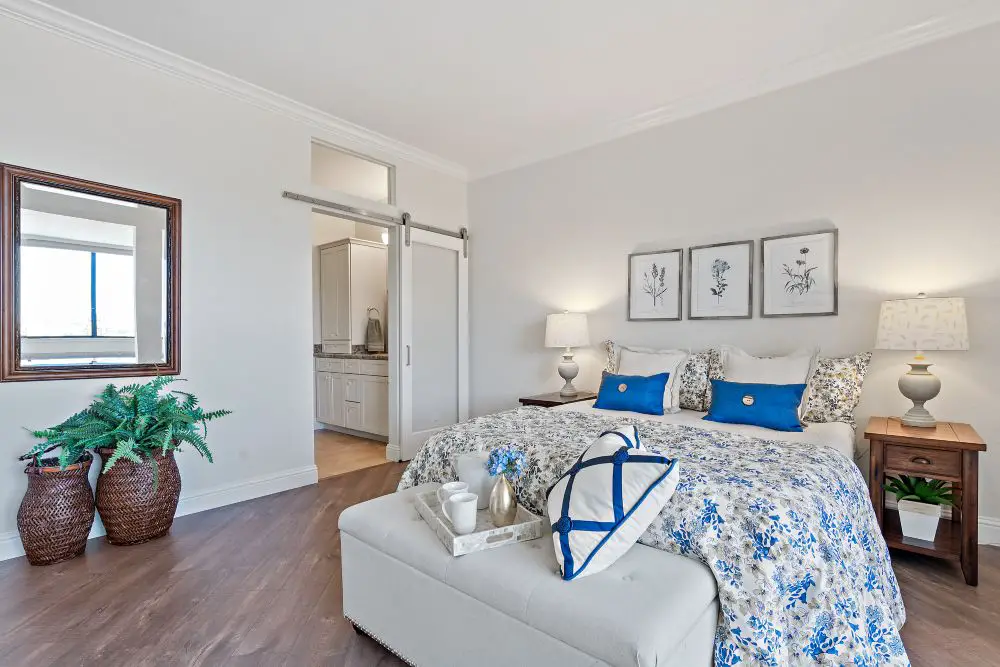
A bright and inviting primary bedroom featuring neutral tones, wood flooring, and an upholstered bench. The space includes a sliding barn-style door leading to an ensuite bathroom, highlighting a functional layout often seen in full home or bathroom remodels where flow and accessibility are key considerations.
Design That Actually Works (Not Just Looks Good on Pinterest)
Here's something I've seen happen more than once: a homeowner falls in love with a design on Instagram, builds it exactly as shown, and then lives in it for a year before realizing it doesn't actually fit how they live. The drawer is in the wrong spot. There's nowhere to put the trash. The gorgeous open shelving in the kitchen collects grease.
Good design is equal parts beautiful and functional. That's not a compromise — it's the whole point.
What's working in East Bay homes right now
Spa-inspired bathrooms. Heated floors, curbless showers (no threshold — more on that below), steam systems. The bathroom has become the room people invest in most for their own daily experience, not just for resale. We're big fans of this trend. Smart bathroom technology has become genuinely practical, not just gimmicky.
Kitchen islands that actually do something. Not just a surface for mail and keys — built-in drawers, pull-outs, charging stations, seating on one side. If you're adding or expanding an island, think through how you actually use it. We put together a full guide to kitchen islands that's worth reading before you make any decisions.
Mudrooms — yes, even in California. I've written about this before because I genuinely believe in them: a dedicated entry space for shoes, backpacks, pet gear, and the general chaos of family life changes how a home functions. East Bay homeowners are finally catching on. Mudroom Envy: Why California Should Get on Board Already covers this in full.
Color with a point of view. The all-white-everything era is winding down. Navy cabinets, sage green tile, terracotta accents — homeowners are making bolder choices and they mostly look great. The key is committing to the direction rather than hedging with too many neutrals.
Trade Term: Curbless Shower
A curbless shower (also called a zero-threshold shower) has no lip or step at the entry — the floor transitions seamlessly from the bathroom into the shower. It looks clean and modern, it's easier to clean, and it's significantly more accessible for aging in place or anyone with mobility considerations. It requires proper floor slope and waterproofing to be done right.
Designing for How You'll Live — Now and Later
We do a lot of accessibility-focused remodeling, and I want to reframe the way people think about it: this isn't just for seniors, and it isn't a concession. Wider doorways, curbless showers, lever-style handles, well-placed grab bars — these features make a home better for everyone, every day.
We wrote about starting to think about aging in place in your 30s — not because you need to panic, but because the best time to build in these features is when you're already remodeling, not when you suddenly need them. It's far less expensive to do it now than to retrofit later.
Multi-purpose spaces are also increasingly on the list: home offices that double as guest rooms, gym nooks built into garages, reading corners carved out of awkward hallway space. The pandemic permanently changed how people think about the function of every square foot, and that's not going away.
How to Choose the Right Contractor (And What to Watch For)
This deserves its own post — and we've written several — but here are the non-negotiables:
Verify the license. Every contractor doing work in California is required to hold a valid contractor's license through the CSLB (Contractors State License Board). You can look anyone up at cslb.ca.gov. We're CA Lic #626819 — look us up.
Verify the insurance. General liability insurance and workers' compensation protect you, not just the contractor. If someone is injured on your property and the contractor isn't properly insured, you can be held liable. We wrote about this in detail because it matters more than people realize.
Get at least two bids, compare them carefully. A significantly lower bid isn't always better — it often means something was left out of scope, lower-quality materials were assumed, or the contractor is planning to make it up in change orders later. Compare what's included, not just the bottom line number.
Ask for local references. Not just reviews on Google — actual homeowners in your area whose projects you can ask about. A contractor with 40 years in the East Bay should have no shortage of those.
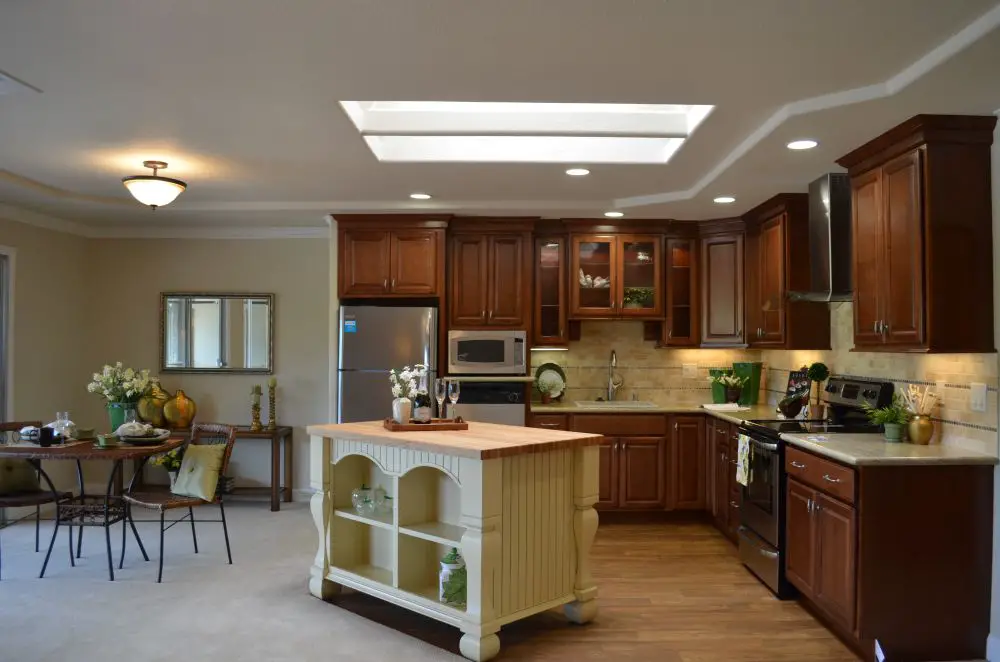
A warm and inviting kitchen remodel featuring rich wood cabinetry, a center island with open shelving, and an open-concept layout connecting to the dining area. The space includes updated lighting, a skylight for natural brightness, and coordinated finishes that create a functional and welcoming environment for everyday living.
Questions We Hear All the Time
How much should I realistically budget for an East Bay remodel?
For a mid-range kitchen, plan for $60,000–$100,000 in our area. Bathrooms typically run $20,000–$40,000. These are real East Bay numbers, not national averages — and always add 10–20% contingency. The contingency isn't pessimism; it's just what 40 years of opening walls has taught us.
What DIY work is actually safe for homeowners to do?
Painting, swapping hardware, installing floating shelves, and basic landscaping are all fine. Anything structural, anything involving electrical or plumbing, and anything that requires a permit should go to a licensed professional. The cost of fixing a DIY mistake almost always exceeds the cost of hiring it out properly.
Do I really need a permit? My neighbor didn't pull one and it seemed fine.
For now, maybe. But unpermitted work shows up when you sell — and depending on the city, you may have to tear it out and redo it before escrow closes. We handle permitting for all of our projects, so this isn't something our clients have to navigate alone.
I'm in Rossmoor. Is the process different?
Yes — Rossmoor is a co-op community, which means any construction project requires approval from your Mutual board in addition to standard permits. Most contractors aren't familiar with this layer, but we've been working in Rossmoor long enough to know the process well. It adds a step, but it's manageable with the right contractor.
How do I finance a remodel?
Most of our clients use HELOCs (home equity lines of credit), home improvement loans, or plan multi-phase projects to spread the cost over time. Your lender is the right person to talk through financing options with — we can talk through what phasing might look like on our end.
Ready to Have the Real Conversation?
We'd love to walk through your project with you — budget, scope, what's realistic, what's possible. No pressure, no sales pitch. Just an honest conversation with people who've been doing this for 40 years.
Call Us: 925-937-4200Toupin Construction · Walnut Creek, CA · CA Lic #626819

Toupin Construction
Ready to start your remodel?
Whether you're dreaming of a new kitchen, a spa-worthy bathroom, or a whole-home transformation — we’d love to hear about your project. Reach out and let's talk.
‹ Back
Comments